Choose land for an off-grid tiny house only after confirming that your exact home and occupancy plan are allowed, year-round access is workable, and water and wastewater solutions are feasible. Then evaluate solar exposure, drainage, hazards, internet, and the complete setup budget before committing to the purchase.
Table of Contents
Quick answer by situation
The best parcel depends on how you will live, not simply how many acres you can afford. A weekend retreat and a full-time home need different levels of reliability. Start with the constraint that could stop your project, then compare properties that pass that first test.
- Full-time living: Confirm residential occupancy for your specific house type before paying for detailed design work.
- A tiny house on wheels: Ask about both placement and continuous occupancy, then have a hauler review the approach.
- A remote wooded parcel: Prioritize winter solar exposure, emergency access, and the cost of creating usable clearings.
- Dry country: Establish a dependable water plan before choosing the floor plan or battery system.
- A limited budget: Compare an improved lot with raw land after adding all necessary site work.
Keep a simple comparison sheet for each property. Record the parcel number, unanswered questions, documents received, specialist visits needed, and estimated recurring expenses. Mark an unknown as an unknown. A seller saying that something should be easy is not the same as an approval or a contractor quote.
Confirm permission and dependable road access
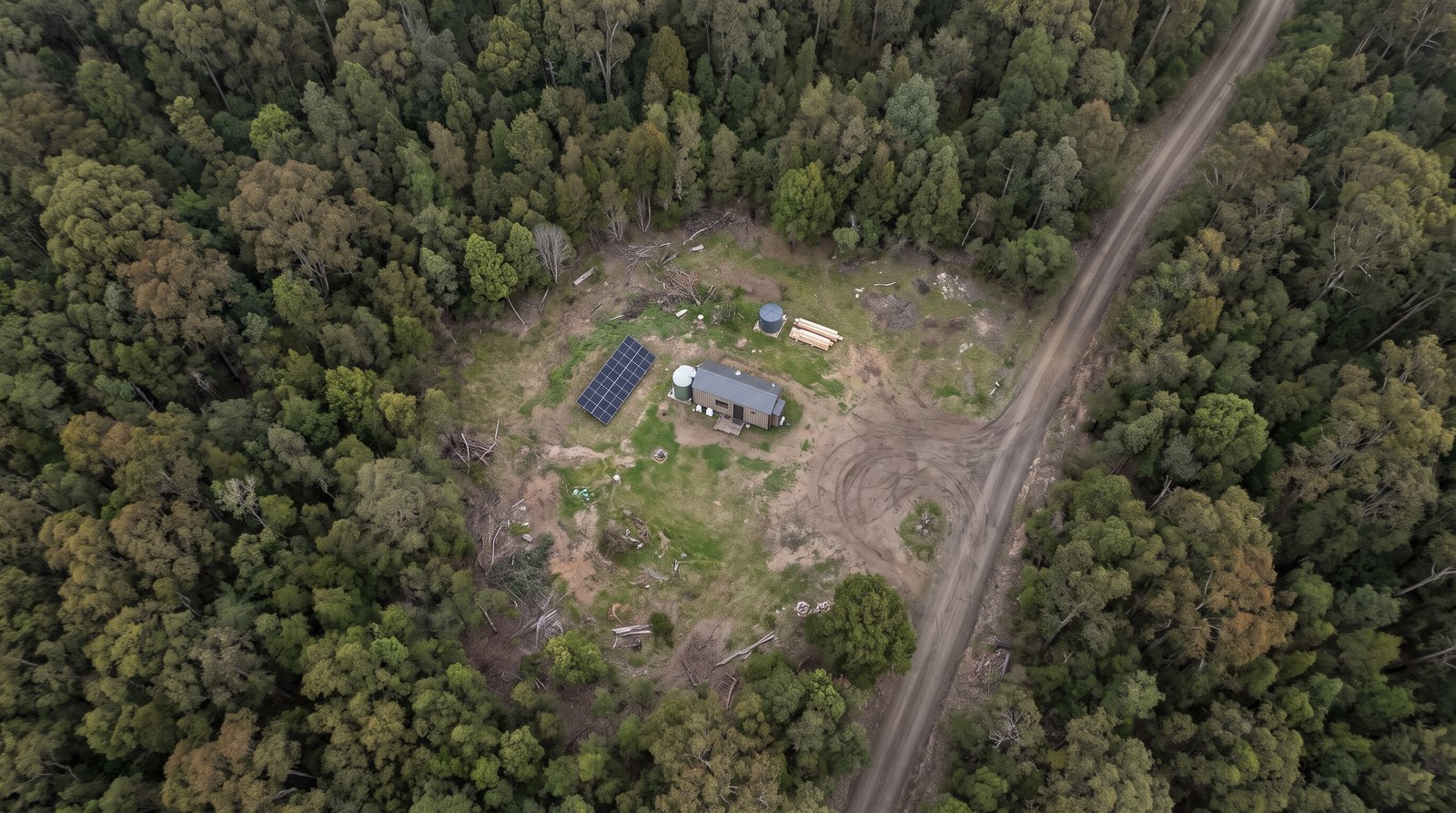
Ask the city or county about the exact parcel, home construction, foundation or chassis, and intended occupancy. Separately verify your right to reach it and maintain the access route. A visible dirt road and a listing that says unrestricted are starting points for investigation, not proof.
Send planning staff a short written description of the proposed home and its water, wastewater, and power arrangements. Ask which approvals are required and whether any utility connections are mandatory. Request the applicable rules in writing. Have a qualified local professional review private restrictions, title documents, and access rights.
The 2026 Oregon vacant-land buyer advisory highlights recorded access, shared maintenance obligations, boundaries, and public and private restrictions. Those are useful due-diligence questions elsewhere, but Oregon requirements do not establish the rules for your county.
For delivery, send the hauler route photos and the house dimensions. Ask about tight turns, steep transitions, low branches, gates, and bridge capacity. Get uncertain structural limits checked by the appropriate professional. Our tiny house moving guide explains the broader transport planning process. Include access for water deliveries and septic service, not just the initial arrival.
Prove the water supply before buying
A nearby well, seasonal creek, or large storage tank does not establish a dependable household water supply. You need permission to use the source, evidence of usable quantity, and water-quality information. Evaluate the complete delivery path from source to tap, including pumping, treatment, storage, maintenance, and freezing weather.
For an existing well, request its construction log, service history, available yield tests, and recent laboratory results. Ask a licensed well contractor what additional inspection or pumping test is appropriate. For vacant land without a well, review nearby well records with that contractor, while recognizing that neighboring results cannot guarantee your drilling outcome.
EPA well guidance recommends annual testing for total coliform bacteria, nitrates, total dissolved solids, and pH, with additional testing based on local conditions. Use a certified drinking-water laboratory and ask the local health department which contaminants matter at this site. Clear water is not evidence that testing is unnecessary.
If hauled water is part of the plan, get an actual delivery quote and minimum order. Check whether the truck can reach the tank during wet or snowy conditions. Write down how you would manage a missed delivery. Confirm local acceptance of hauled water or rainwater for your proposed dwelling before treating either as the primary supply.
Check septic feasibility and the usable homesite
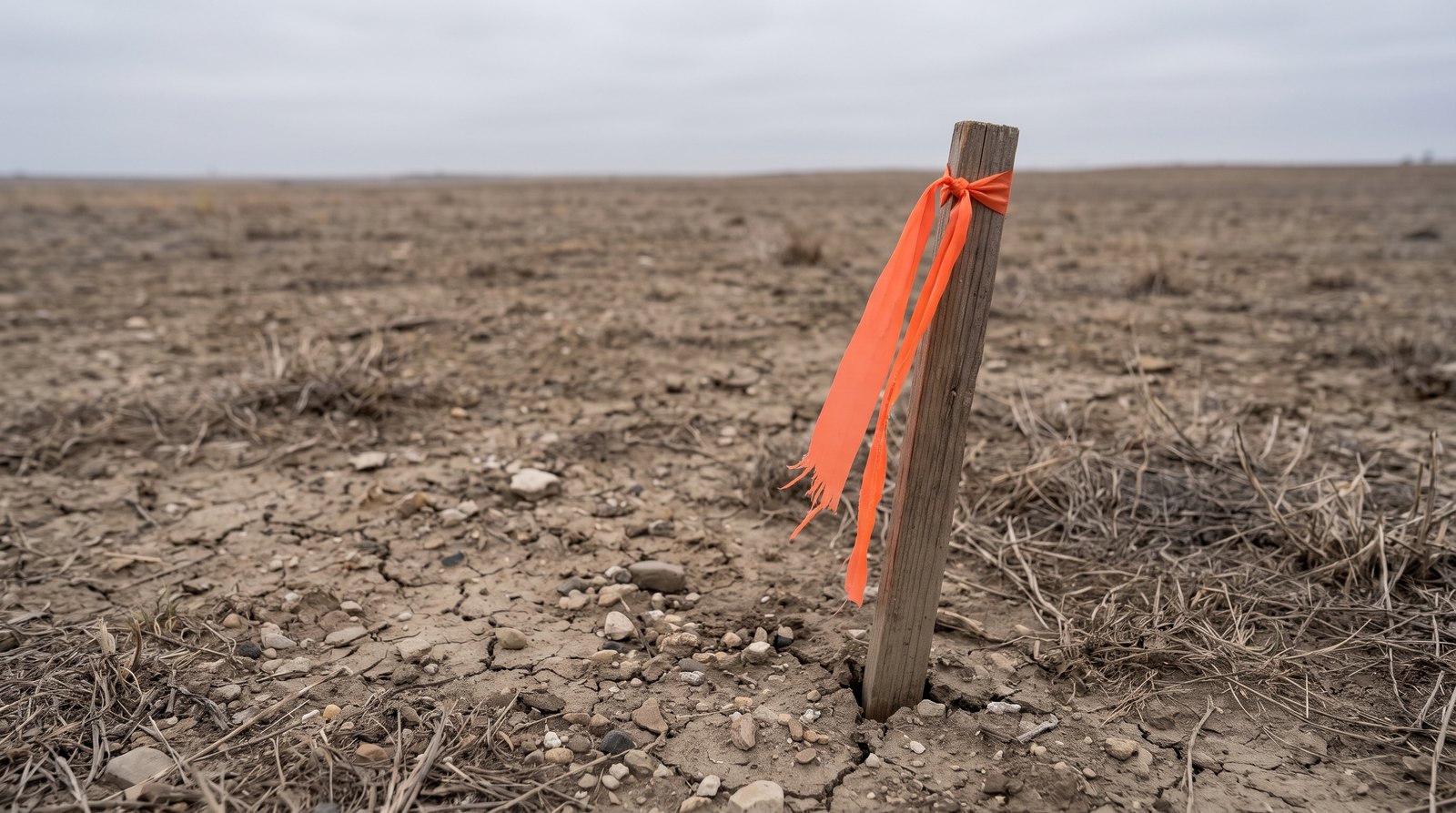
Establish where the house, wastewater system, water source, and access route can fit together before selecting a building spot. A small house does not automatically mean a tiny drainfield. The usable part of a parcel may shrink substantially once soils, slopes, required separation distances, and replacement areas are considered.
EPA explains that septic selection depends on lot conditions, slope, soils, occupancy, local requirements, and budget. Ask the health or environmental department which site evaluation is required, who may perform it, and whether an older approval remains valid for your project. A seller mentioning a passed perc test is not enough documentation.
Bring the proposed house location to the evaluator before clearing trees or laying a driveway. Ask for the approved system area to be identified on the plan, including any required reserve area. Obtain an installation quote for the system the parcel can actually support.
If you want a composting toilet, ask explicitly how kitchen, shower, and laundry wastewater must be handled. Do not assume that changing the toilet removes wastewater obligations. For an existing system, obtain records and arrange an appropriate inspection. Keep future pump-out access in the layout so servicing the property does not require moving your home.
Evaluate solar exposure, slope, and drainage together
A good off-grid homesite gives you practical space for energy equipment without forcing expensive earthwork or placing the house in a drainage path. Walk the likely house pad and array location together. Consider winter sun, nearby trees, equipment access, and where runoff travels after sustained rain or snowmelt.
The Department of Energy solar guide identifies tree cover, roof shape, slope, and orientation as important suitability factors. A ground-mounted array may offer another location, but it still needs an appropriate design and any required approvals. Ask an installer to assess seasonal shading at the actual proposed location.
Give the installer a realistic appliance list and your expected winter use. Ask how the design handles several low-production days and whether it assumes backup generation. An annual energy estimate alone does not describe how comfortably you can live through a cloudy week. Include the water pump, communications equipment, and any freeze-protection loads.
On sloping or disturbed ground, have a qualified site or geotechnical professional assess the foundation and drainage plan as appropriate. Request separate prices for grading, rock removal, retaining work, and erosion control. Avoid deciding that a pad is buildable simply because it looks level in an aerial photograph.
Investigate flood, wildfire, and winter access
Screen hazards before treating a quiet location as a safe one. Review flood information, regional wildfire conditions, local history, and the route you would use during an emergency. Then ask local officials and relevant professionals what those findings mean for this parcel, its construction requirements, and insurability.
Start with FEMA flood maps and your community floodplain administrator. FEMA’s flood-zone guidance explains that lower-risk areas still have flood risk. Investigate runoff and road crossings as well as the proposed house pad. A dry building site is little comfort if the only road regularly becomes impassable.
The Forest Service’s Wildfire Risk to Communities is a regional screening resource. Its data are not intended as an individual-home assessment. Ask the local fire authority about emergency access, vegetation management, and water availability for firefighting.
Find out who plows the road, where snow can be stored, and whether a service provider will actually reach your address. Get insurance quotes describing the house and location accurately before closing. Use our tiny house insurance guide to prepare questions, then rely on written coverage terms and a property-specific quote.
Test internet and ordinary daily logistics
Visit the proposed homesite with the devices and services you expect to use, then test the routines that matter to you. Off-grid living can still depend on reliable communication, deliveries, and regular travel. A good signal at the highway or the seller’s gate does not answer those questions.
The FCC National Broadband Map guide distinguishes fixed service from mobile coverage. Its mobile maps describe outdoor or in-vehicle coverage, not indoor reception. Compare providers, then make calls and test data where the house will sit. Confirm service availability directly with any provider you intend to use.
For satellite service, verify the provider’s current location requirements and check the proposed equipment position for obstructions. Include its electricity consumption in your energy plan. Finally, time the trips for groceries, work, medical appointments, laundry, and waste disposal. Write down delivery instructions and an emergency location plan. These routine details often decide whether a remote property feels manageable after the first month.
Price the complete project and protect your inspection time
Compare land using the total cost of reaching a livable, approved setup, plus the recurring work it creates. A low purchase price can hide costly access, water, drainage, or wastewater problems. Obtain written estimates during a suitable due-diligence period, with contract terms reviewed by your local real estate professional or attorney.
Build the budget in separate lines: land, closing expenses, survey and evaluations, permits, driveway, pad or foundation, water, wastewater, power equipment, delivery, and contingency. Add annual costs such as road maintenance, insurance, taxes, fuel, testing, and service visits. Ask each contractor what the quote excludes and how long it remains valid.
Use actual numbers for each shortlisted parcel. For example, compare a less expensive lot requiring a new access road with a higher-priced lot that has documented, usable infrastructure. Keep uncertain work as a separate allowance until it is priced. Do not hide a major unknown inside one optimistic miscellaneous figure.
Before closing, gather the written findings in one folder and review remaining conditions. Identify who will complete each approval and what happens if a test fails. Check funding for both the property and the home; our tiny house financing guide is a starting point for lender questions. Choose the parcel whose constraints you understand and can afford.
FAQ: Land for an off-grid tiny house
These common questions are best answered using the specific parcel, house type, and intended occupancy. Use the answers below to organize conversations with the county, your contractor, and your real estate professional. Obtain the relevant records and written findings before assuming that a promising listing will support your plans.
How much land do you need for an off-grid tiny house?
There is no single acreage that guarantees a workable property. The needed space depends on local requirements, wastewater design, water-source separation, access, and the house and energy layout. Ask for a site plan showing all required areas. Usable ground matters more than the acreage advertised in the listing.
Can you live off-grid on land you own?
Ownership alone does not answer whether your proposed dwelling and full-time occupancy are allowed. Ask the city or county about the parcel and home type, then review private restrictions and required approvals. Describe your proposed water, wastewater, and power systems rather than asking only whether off-grid living is allowed.
Should you buy land with an existing well?
An existing well can reduce uncertainty only when its condition, usable yield, and water quality are established. Request records, arrange a qualified inspection, and obtain current testing appropriate to the location. Include any pump, treatment, storage, or repair costs when comparing that parcel with land that has no well.
Does a composting toilet eliminate the need for septic?
Do not assume that it does. A toilet choice does not resolve how shower, sink, and laundry wastewater will be managed, and acceptance varies by jurisdiction. Ask the local health or environmental department which disposal arrangement is approved for your household and whether a conventional or alternative system is required.
What should make you walk away from a parcel?
Consider walking away when residential use remains unresolved, access rights are unclear, or there is no affordable approved water and wastewater solution. Serious hazard or insurance problems also deserve attention. If essential questions cannot be answered within your contractual review period, seek professional advice before releasing protections or committing further.