A well built tiny house on a permanent foundation typically lasts 30 to 50 years, and often longer with steady maintenance. A tiny house on wheels usually lasts 10 to 30 years, because road stress and trailer wear shorten its life. Build quality and moisture control matter far more than either number.
Those ranges come from how tiny houses are actually built, not from any official rating. Nobody stamps an expiration date on a tiny house. What you really want to know is which parts fail first, what they cost to fix, and what separates a build that lasts 15 years from one that lasts 50. Here is the honest version.
Table of Contents
How long a tiny house lasts by type
Lifespan tracks the type of build more than the size. Foundation tiny houses are conventional homes at a small scale, so they age like conventional homes. Tiny houses on wheels carry the extra burden of a trailer, road vibration, and weather exposure from all six sides, which is why their realistic range is shorter.
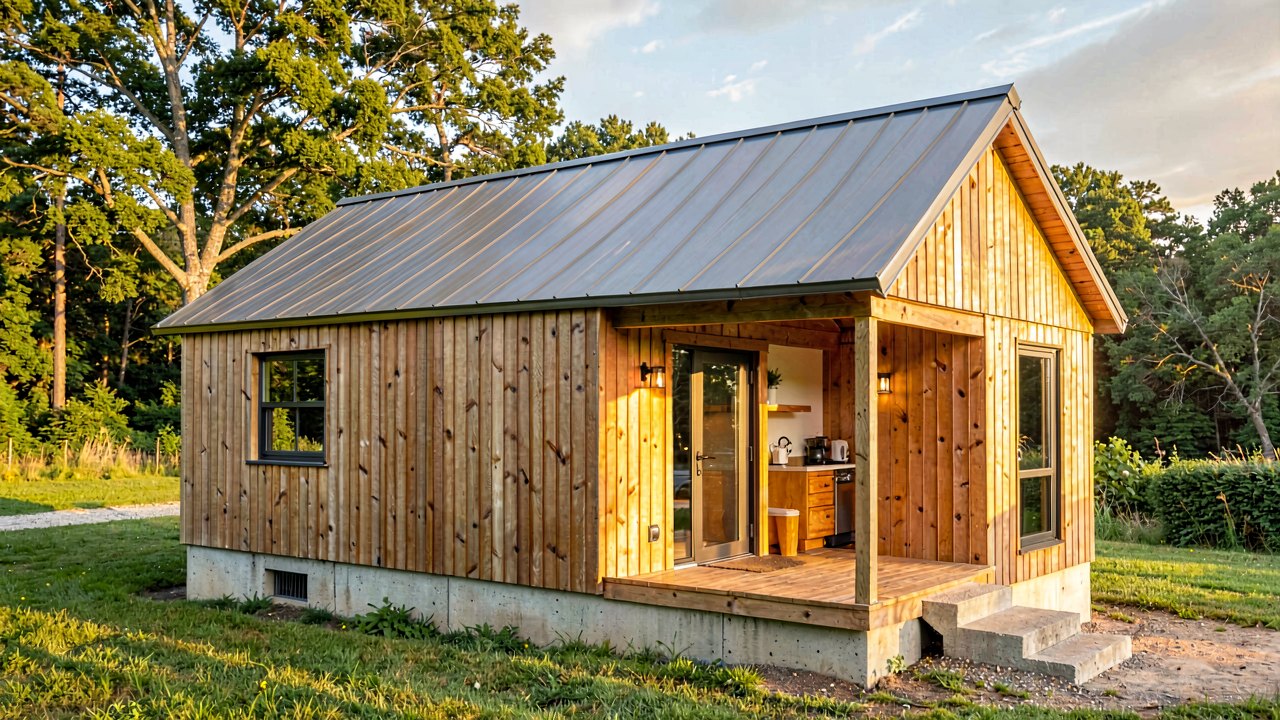
A foundation tiny house sits on concrete, connects to permanent utilities, and is usually built to the residential code your county enforces. That means code minimum insulation, a real vapor strategy, and inspected framing. Those are the same things that let a normal house reach 50 years and beyond.
A tiny house on wheels is a different animal. It is built light so it can be towed, it is often finished by a small shop or by the owner, and it spends its life on a trailer frame that was engineered for hauling rather than for permanent support. Plenty of them are excellent. The weak ones simply fail sooner. If you are still deciding between a mobile build and something more permanent, our comparison of a tiny house versus an RV for full time living covers the tradeoffs in more detail.
Quick answer by situation:
- Foundation tiny house, quality build: 30 to 50 years, and often longer with a roof and siding replacement along the way.
- Tiny house on wheels, parked permanently: 25 to 30 years is realistic if it stays dry and level.
- Tiny house on wheels, moved often: 10 to 20 years, because every tow adds flex, cracks, and new leak paths.
- Budget shed conversion or a first DIY build: 5 to 15 years, and the problems usually show up around year three.
- Park model built to the RV park model standard: similar to a quality house on wheels, roughly 20 to 30 years parked.
- Container home: the steel shell outlives everything, but insulation detailing and rust control decide the real number.
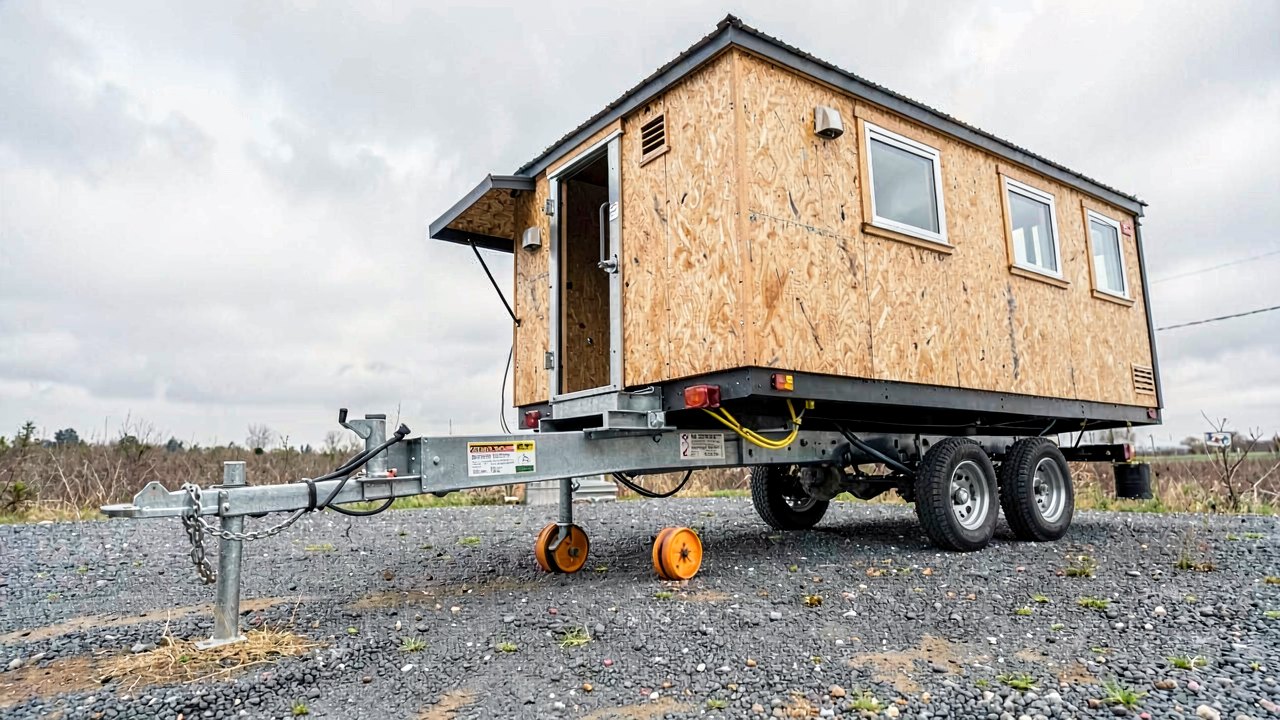
Why tiny houses on wheels wear out faster
Road travel is the single biggest lifespan penalty a tiny house can take. Towing puts a house through an earthquake it was never designed for. Fasteners loosen, drywall and tile crack, trim separates, and sealant joints open. Every opening becomes a place for water to enter, and water is what actually ends the building.
A stick framed house standing on a foundation experiences almost no movement. The same structure on a trailer at highway speed experiences constant twisting and vertical shock. That is why serious builders use metal siding or rainscreen assemblies, screws instead of nails, flexible sealants, and sheet goods rather than rigid finishes in the areas that flex most.
Exposure is the second penalty. A foundation home is protected underneath by a crawl space or a slab. A tiny house on wheels has an exposed underbelly that sees road spray, salt, rodents, and freezing air. If that underbelly is not sealed and insulated properly, the subfloor stays damp and quietly rots from below, which is the most common serious failure in older tiny houses on wheels.
None of this is an argument against a house on wheels. It is an argument for keeping one parked when you can, and for spending your money on the envelope rather than on the countertops.
The materials and build details that decide the number
Your lifespan is set by a short list of components, and most of them are outside the walls. Roofing, siding, windows, flashing, and the subfloor assembly do the real work. Interior finishes are cosmetic. A house with a great envelope and a cheap kitchen ages well. The reverse fails early and expensively.
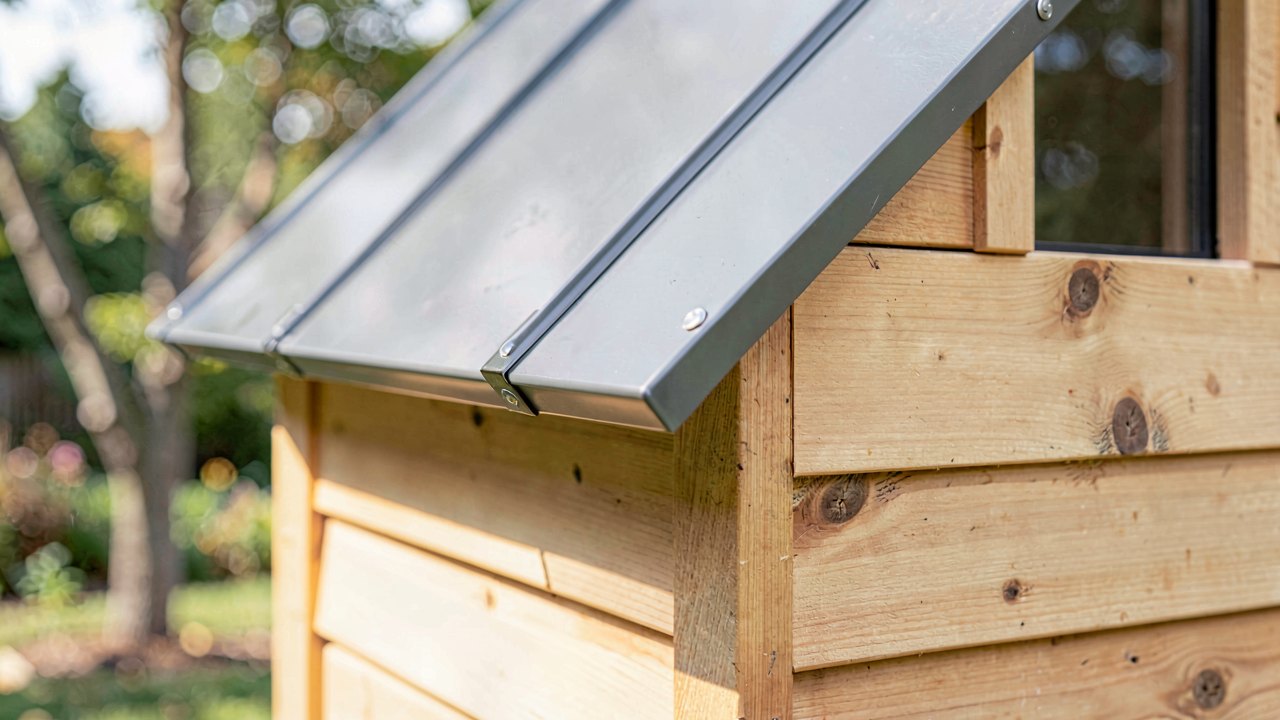
Roofing is the clearest example. A standing seam metal roof commonly lasts 40 to 70 years, which is why so many tiny houses use one. Architectural asphalt shingles usually run 20 to 30 years in a temperate climate, and less under intense sun or hail. On a house this small the price gap between the two is modest, which makes metal one of the best value decisions in the entire build.
Siding follows the same logic. Fiber cement and metal panels last decades with almost no attention. Untreated wood looks wonderful and needs recoating every few years, especially on the weather side. Cedar and other naturally durable species buy you time, but they still need maintenance, and skipping it on a house on wheels is how owners end up with soft sheathing.
Windows matter more than people expect. Cheap units fog, lose their seals, and leak at the corners within a decade. In a house with only six or eight openings, upgrading to good windows is a small line item with an outsized effect on both comfort and lifespan.
Moisture is what actually ends most tiny houses
Almost every tiny house that dies young dies of water. Not fire, not the trailer, not the appliances. Water gets in through failed flashing or a bad sealant joint, or it condenses inside the wall because a small, tightly sealed space produces a lot of humidity relative to its volume. Then the sheathing rots.
Two people living in roughly 250 square feet generate the same cooking, showering, and breathing moisture as two people in 1,800 square feet, but with a fraction of the air volume to absorb it. That is why humidity readings inside tiny houses run high, and why condensation shows up on windows and in corners so quickly during cold weather.
The fixes are unglamorous and they work. Run a bathroom fan that vents outside rather than into a wall cavity. Use a range hood that actually exhausts. Add a small dehumidifier in a humid climate. Keep the interior somewhere around 40 to 50 percent relative humidity in winter. Make sure the wall assembly can dry in at least one direction, which is a conversation to have with your builder before the walls close up, not after.
Then check the same handful of spots twice a year: around the roof penetrations, the window and door heads, the wheel wells and any trailer penetrations, and the underside of the subfloor. Catching a leak in month two costs a tube of sealant. Catching the same leak in year two costs a wall.
Trailer and chassis maintenance
On a tiny house on wheels the trailer is a structural component and it deserves to be treated like one. A galvanized or well coated steel frame can outlast the house above it. A bare frame in a wet or salted climate can rust to the point that moving the house safely becomes impossible, which quietly destroys resale value.
Tires are the part owners neglect most, because they look fine. Trailer tires age out before they wear out. The National Highway Traffic Safety Administration warns that low mileage vehicles such as RVs are especially exposed to tire aging, and manufacturers commonly recommend replacement somewhere between six and ten years from the date of manufacture regardless of remaining tread. Many towing professionals are stricter and replace at five or six years. Read the four digit date code on the sidewall and go by that, not by appearance.
Wheel bearings need repacking, jacks and stabilizers should stay off bare dirt, and the frame needs an annual look for rust, especially where the house deck meets the steel. If the house is parked long term, get the weight off the tires with proper jack stands or blocking, and keep the tires covered from direct sunlight.
What a realistic maintenance schedule looks like
The difference between a 15 year tiny house and a 40 year one is usually a couple of hours of attention twice a year. There is no complicated program here. It is a short list, done consistently, that catches small problems before they turn into structural ones.
Twice a year, walk the exterior and check every sealant joint, every roof penetration, and every window and door head. Clear the gutters if you have them. Look under the house with a flashlight. Inside, check under the sink, behind the shower wall if you have access, and in the corners of any loft for staining or a musty smell.
Once a year, wash the siding, recoat any exposed wood that looks thirsty, inspect the trailer frame for rust, service the wheel bearings if the house moves, and test the smoke and carbon monoxide alarms. Every five to ten years, expect to recaulk broadly, refinish wood siding, and replace the tires on a mobile build. Every 20 to 30 years, expect a new roof if you went with shingles.
Lifespan, resale, insurance, and financing
Lifespan is not only a maintenance question, it is a money question. How long lenders and insurers expect your house to last decides what they will offer you, and the gap between a foundation build and a house on wheels is wide. This is the practical reason many buyers choose a foundation even when a trailer would be simpler.
A foundation tiny house is real property. It can appreciate with the land, an appraiser assigns it a remaining economic life like any other house, and it is eligible for conventional mortgage products in many situations. A tiny house on wheels is usually titled as a vehicle or an RV and depreciates on a vehicle schedule, which is closer to how a travel trailer loses value than to how a house gains it. Our guide to getting a mortgage on a tiny house walks through which financing routes are open to each type.
Insurance follows the same divide, and insurers care about the same things that determine lifespan: certification, roof material, age, and whether the house gets moved. A certified build with a metal roof and documented maintenance is a straightforward policy. An uncertified owner build with an unknown history is a harder one, and occasionally an uninsurable one.
Documentation is worth real money at resale. Keep the receipts, the plans, any certification paperwork, and a simple maintenance log. A buyer looking at a 12 year old tiny house with a folder of records will pay more than for an identical house with no history, because that folder is the only evidence that the years were kind to it.
Frequently asked questions
Do tiny houses last as long as regular houses?
A tiny house on a permanent foundation can last as long as a conventional house, because it is built the same way at a smaller scale. A tiny house on wheels generally does not, since the trailer, the road, and the exposed underbelly all add wear that a foundation home never experiences.
How long does the trailer under a tiny house last?
A galvanized or properly coated steel trailer can last 30 years or more and often outlives the structure above it. A bare or lightly painted frame in a wet, coastal, or road salt climate can develop serious rust in 10 to 15 years. Annual inspection and touch up paint make most of the difference.
Does moving a tiny house shorten its life?
Yes, noticeably. Each tow flexes the structure, loosens fasteners, and opens sealant joints, and those openings are how water gets in. A house on wheels that stays parked can realistically reach 25 to 30 years, while one that relocates several times a year often shows serious wear by year 10 to 15.
What is the first thing to fail on a tiny house?
Sealant joints and flashing, almost always. They are inexpensive, they are easy to overlook, and they fail years before the roofing or siding does. The second most common failure is the subfloor on a house on wheels, which rots from below when the underbelly is not properly sealed and insulated.
Is a tiny house a good long term investment?
A foundation tiny house on land you own behaves like real estate and can hold or gain value. A tiny house on wheels behaves like a vehicle and depreciates, so treat it as housing you use rather than an asset you grow. It is worth comparing the numbers against a container home build before you commit.