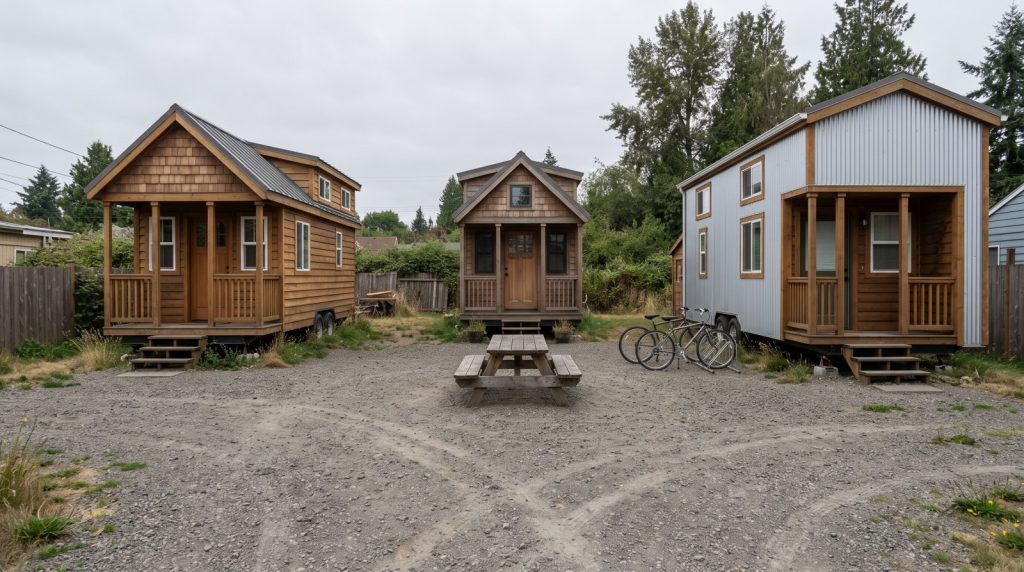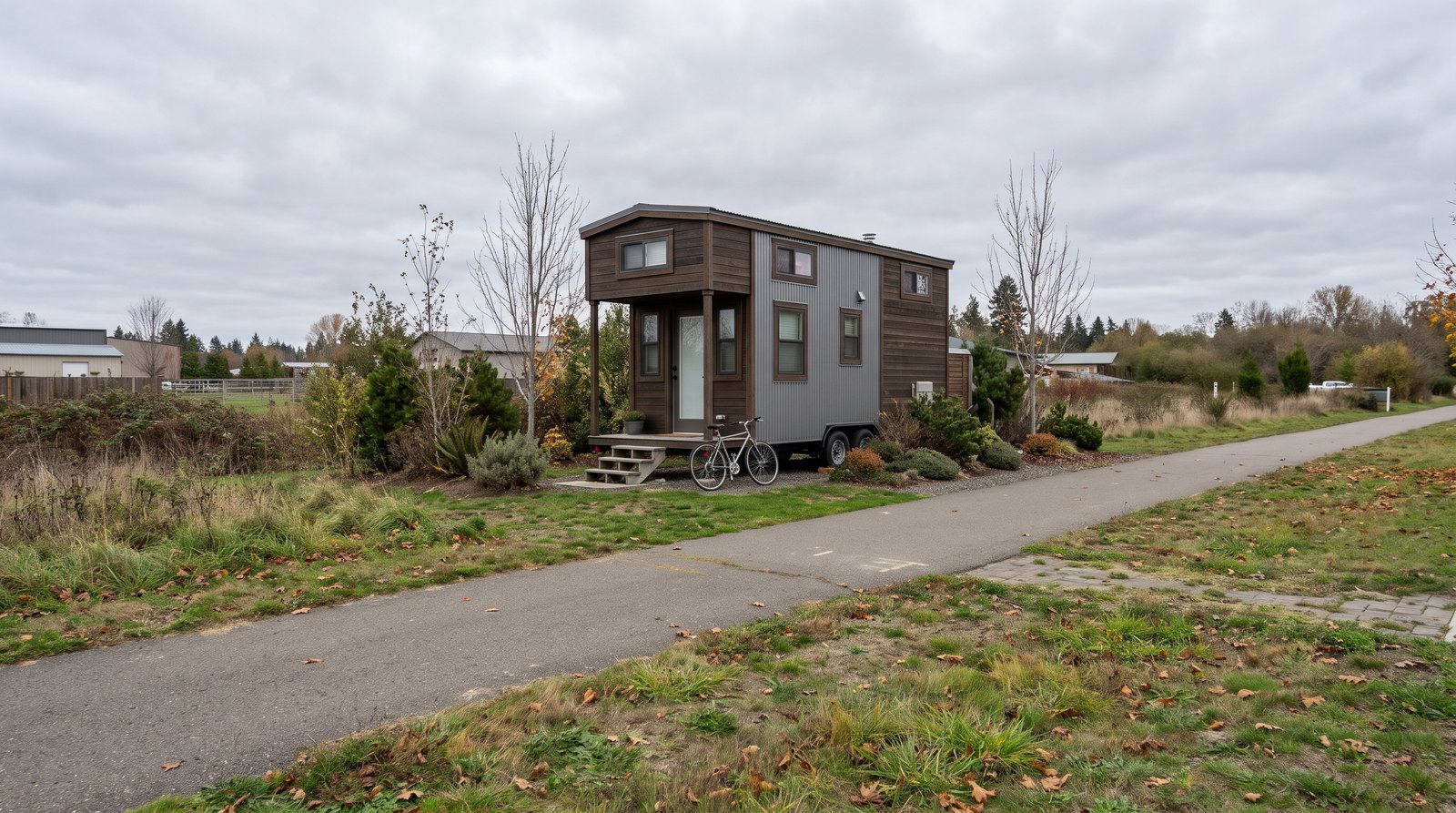
Tiny house living without a car can work when your location supports everyday trips on foot, by bicycle, or by reliable transit. Before choosing a site, test the routes to work, groceries, healthcare, and friends at the times you actually travel. Budget for deliveries and backup rides, and plan for bad weather.
Table of Contents
Start with the trips you cannot skip
The best car-free location is one that handles your real weekly routine, including the awkward trips. A nearby bus stop or grocery store is only a starting point. List essential destinations, travel times, carrying needs, and return options before judging whether a tiny house site will work for you.
Start with work, school, food shopping, prescriptions, laundry, and regular appointments. Add less frequent obligations such as visiting relatives, taking a pet to the veterinarian, picking up supplies, and reaching an intercity bus or train. A remote worker may still need several of these trips every week.
For each destination, write down the earliest arrival you need, the latest time you might leave, and anything you must carry. Check each household member separately. One person having a workable commute does not solve another person’s evening shift or school pickup.
Quick answer by situation
- You work predictable daytime hours: Test both commute directions on the actual weekdays you work.
- You work evenings or weekends: Start with the last usable trip home and weekend frequency.
- You work from home: Give food, social visits, appointments, and exercise equal attention.
- You use a mobility device: Check the whole route, including the home entrance, crossings, stops, and destination.
- You want a rural site: Verify essential trips and backup services before committing to its lower advertised cost.
Make groceries and household supplies manageable
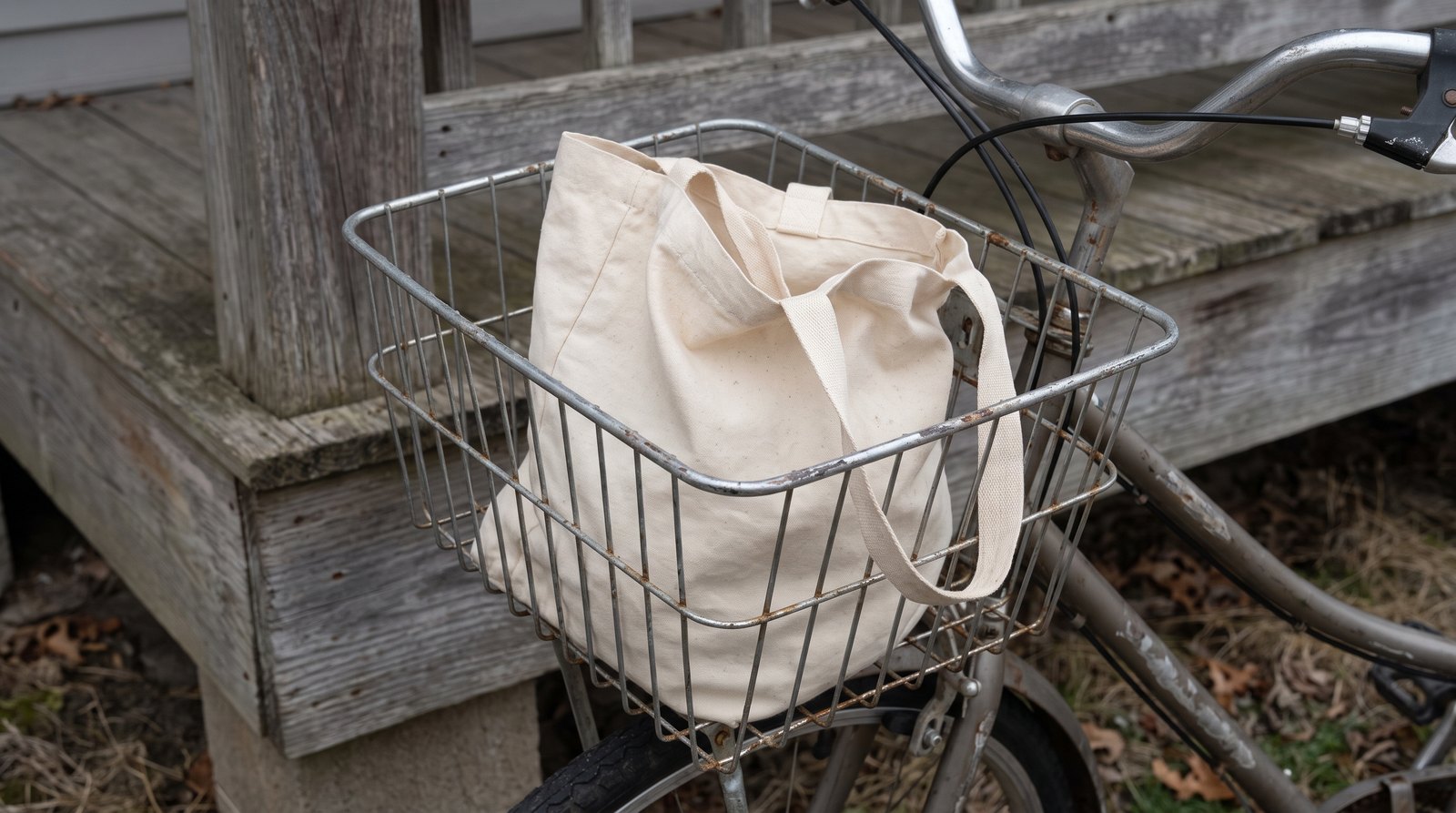
Car-free shopping works best when carrying capacity, store access, and storage space fit together. Plan a normal grocery trip with the bags or cart you would actually use. Then account for bulky purchases, deliveries, and returns, especially when a tiny kitchen cannot hold a large stock of supplies.
A shop across the road may still require a long detour to a usable crossing. Try the complete return trip with a realistic load. Include steps at home, a steep driveway, the transfer between buses, and the distance from the stop to your door.
Separate regular food shopping from heavy supplies. Small grocery trips might be comfortable, while pet food, cleaning supplies, bedding, or replacement furniture need delivery or an occasional vehicle. Check delivery availability using the exact address, then review minimum orders, fees, available time windows, and where drivers can stop.
Ask the site manager how packages reach your unit and what happens when a parcel cannot be left. Do not assume a listing’s street address guarantees every delivery service. Plan how you will collect missed deliveries and send returns. Those errands can quietly become the hardest part of an otherwise convenient location.
Walk the actual route before choosing the site
A short distance on a map does not prove that a walk is comfortable or practical. Inspect continuous sidewalks, crossings, slopes, lighting, and access through the property. Test the route at your own pace and with your usual equipment, rather than relying on a standard walking-time estimate alone.
Begin at the tiny house door. A good public sidewalk is less useful if the connecting lane is muddy, gated, or difficult to cross. Check whether the apparent shortcut is public or available to residents, and whether any gate closes before you return.
The National Highway Traffic Safety Administration recommends using sidewalks where available and crossing at crosswalks or intersections. Use that guidance when evaluating the route, while looking closely at turning traffic, driveway entrances, and visibility. A crossing marked on a map still deserves an in-person check.
Visit at the times you expect to travel, where it is safe to do so. Ask who clears snow, leaves, or overgrown vegetation along the private part of the route. A path that works during a dry afternoon may become a different journey when you are carrying groceries in the rain.
Check transit hours, connections, and the ride home
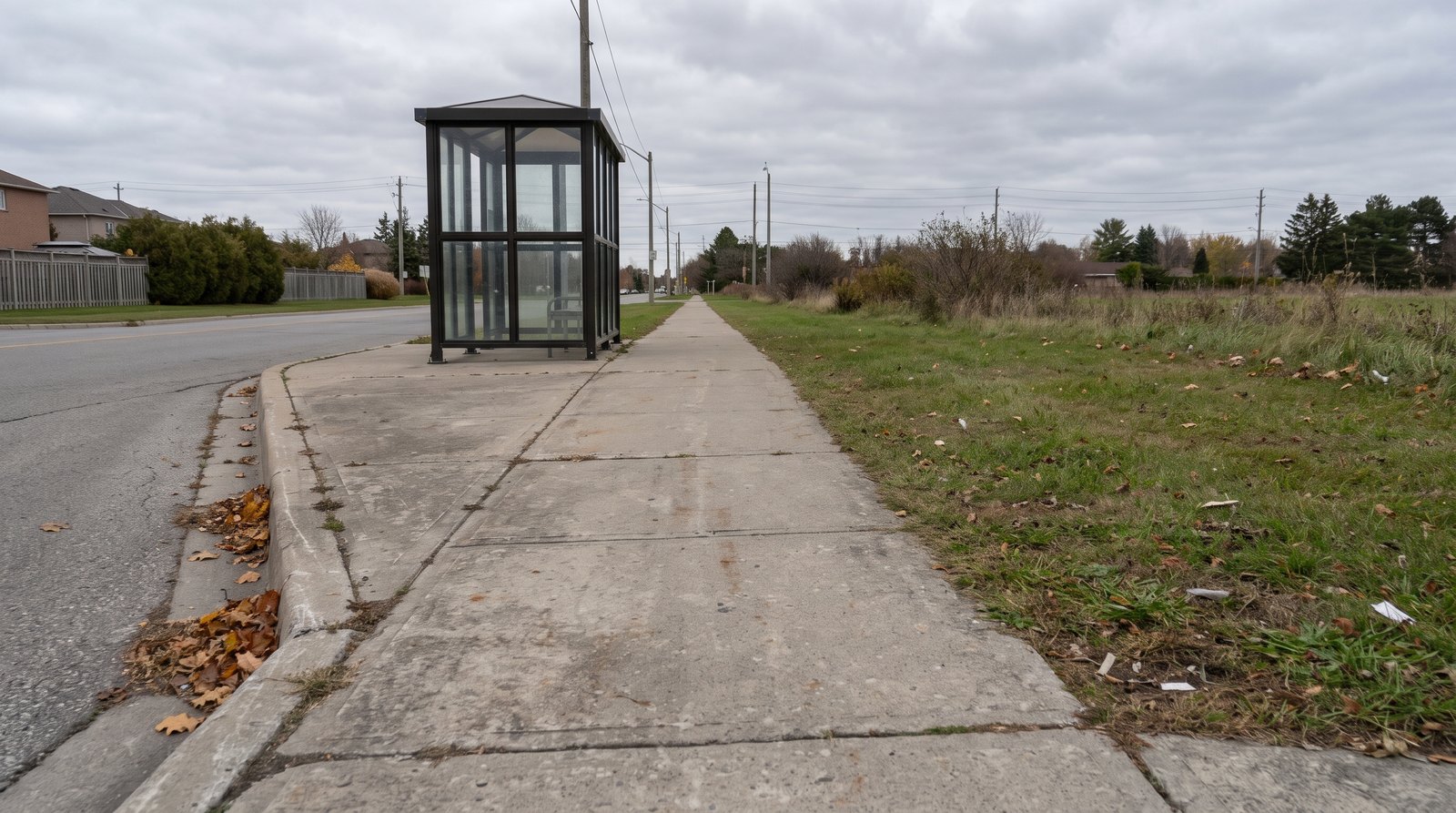
Transit is useful only when its operating hours and connections match your schedule. Check the official timetable for your specific day, including the return journey. Allow for walking, waiting, transfers, and disruptions. Confirm that a missed connection will not leave you without an affordable way to reach home.
Use the transit operator’s current trip planner and service notices. As one example, TriMet’s trip planner includes boarding instructions and active service alerts. Look for equivalent tools from the operator serving the site. An agency example is not a promise about another town’s service.
Check weekdays, Saturdays, Sundays, and holidays separately. Record the last complete itinerary home, not just the last departure from the first stop. An evening bus is no help if the connecting route has already finished for the day.
Try a round trip before signing for the site. Include a realistic transfer margin and the walk from the final stop. Find out how to pay without a working phone, where to get service information, and whether the stop has shelter or seating. Save essential route details where you can retrieve them offline.
Give a bicycle a practical place in the plan
A bicycle can expand your useful travel area, but it needs secure storage, a workable route, and a plan for breakdowns. Measure the space for the bicycle and its accessories before buying equipment. Check how it passes through gates, around steps, and into storage without blocking daily access.
A wall hook that requires lifting a heavy bicycle every morning may be unsuitable. Test the movement with the actual bike. Consider a covered location, a suitable locking point, room for wet gear, and somewhere to keep a pump and basic repair supplies.
If your journey combines cycling and transit, read the operator’s equipment rules. TriMet, for example, allows standard-size bikes in designated spaces only when room is available. Do not build a time-critical commute around an assumed bike space. Check an alternative route or secure parking option at the station.
For an electric bicycle, follow the manufacturer’s charging instructions and the site’s rules. The Consumer Product Safety Commission advises remaining present while charging, never charging while sleeping, and using the supplied charger. Keep household exits clear. A tiny house needs a deliberate storage and charging arrangement before an e-bike becomes daily transport.
Build a bad-weather and backup transport plan
A workable car-free household has a second option for days when the normal trip fails. Decide what happens during heavy rain, a bicycle breakdown, a canceled bus, or an unexpected late finish. Check that the backup actually serves your location and remains affordable at the times you need it.
Look up taxi companies, app-based rides, community transport, car sharing, or rental locations where available. Verify coverage and operating arrangements directly. An app showing a service area does not guarantee a driver will accept a particular trip, especially outside busy hours.
If you drive occasionally, check the rental pickup process, opening hours, eligibility, and return arrangements. You still need to reach the vehicle. If you do not drive, a rental is not a useful fallback, so identify another option.
Agree on any help from friends before treating it as part of your routine. Keep ordinary transport backups separate from emergency planning. Follow local emergency instructions, and call 911 when emergency assistance is needed. For a site that may require relocation, understand access for a professional mover rather than assuming you need to own a tow vehicle.
Include healthcare, visitors, and changing access needs
Choose a location that supports a full life, including appointments, visitors, and trips you make less often. Check access to the providers and services you actually use. Consider how the plan would change with an injury, reduced stamina, a new work schedule, or a family member needing assistance.
Test the route to your usual clinic and pharmacy without assuming the nearest building offers the services you need. Confirm appointment hours and return options. For planned procedures, ask the provider about escort or pickup requirements before relying on a solo transit journey.
If disability-related transport is relevant, ask the local agency about eligibility, booking, service boundaries, and assistance. The Federal Transit Administration explains that ADA paratransit eligibility depends on functional ability to use fixed-route transit. A diagnosis alone does not establish eligibility, and it should not be assumed as a universal backup.
Consider social visits too. Can friends reach the site after work, and can you get home from theirs? Check guest pickup points and access rules. A house can meet your space needs yet feel isolating if every casual visit requires an expensive or difficult journey.
Compare total costs and try the routine first
Compare the combined housing and transport bill, then test the routine before selling a car or committing to a site. Include fares, bicycle upkeep, deliveries, occasional rides, and travel time. A cheaper pad can lose its advantage when essential journeys require frequent paid help or take too long.
Use your own quotes and trip counts. For illustration only, a $70 transit pass, $30 bicycle reserve, $60 in deliveries, and $120 for backup rides total $280 per month. These are invented planning inputs, not national averages or a forecast. Replace every amount with local costs and your expected use.
Also compare housing insurance and maintenance, which do not disappear when you stop owning a car. Our tiny house insurance cost guide can help you frame that separate expense. If location changes are likely, include the logistics covered in our guide to moving a tiny house.
Try several ordinary days without using the car, ideally from the proposed neighborhood. Record missed connections, uncomfortable routes, unexpected costs, and trips you avoided. Keep a written list of unresolved problems. Choose the site only when essential trips have workable answers, and separately confirm permitted occupancy and site rules with the appropriate local officials.
Frequently asked questions
The main questions about car-free tiny house living concern location, bicycles, costs, and occasional travel. These answers provide a starting point for evaluating a specific site. Your household’s abilities, schedule, and local services determine the final decision, so verify the details before making a commitment.
Can you live in a tiny house without owning a car?
Yes, if essential destinations are reachable through routes and services that work for your household. Check groceries, work, appointments, and return trips at the times you need them. Add reliable options for bad weather and bulky purchases. The location matters more than the size of the house.
Is a rural tiny house suitable for car-free living?
It can be, but you need to verify the actual services rather than assume they exist. Check everyday routes, transit schedules, deliveries, and backup rides at the exact address. A lower site price may be outweighed by difficult journeys, limited operating hours, or frequent paid transport.
Do you need an electric bicycle to live without a car?
No. Walking, a conventional bicycle, and transit may cover your needs. An electric bicycle is one option if its weight, storage, charging, and route access suit you. Try the intended journey first and check local riding rules. Keep a backup for breakdowns or days when riding is unsuitable.
Will living without a car always save money?
No. Savings depend on the costs you remove and the expenses you add. Compare your current vehicle costs with transit, bicycle maintenance, deliveries, rentals, and paid rides. Include any higher housing cost for a convenient location. Use actual quotes and a realistic monthly trip list before deciding.
How do you move a tiny house without a tow vehicle?
You can arrange professional transport for a movable tiny house rather than keep a suitable tow vehicle solely for occasional moves. Get a quote for the specific structure, route, access, and preparation required. Daily car-free living and moving the house are separate tasks with separate budgets.