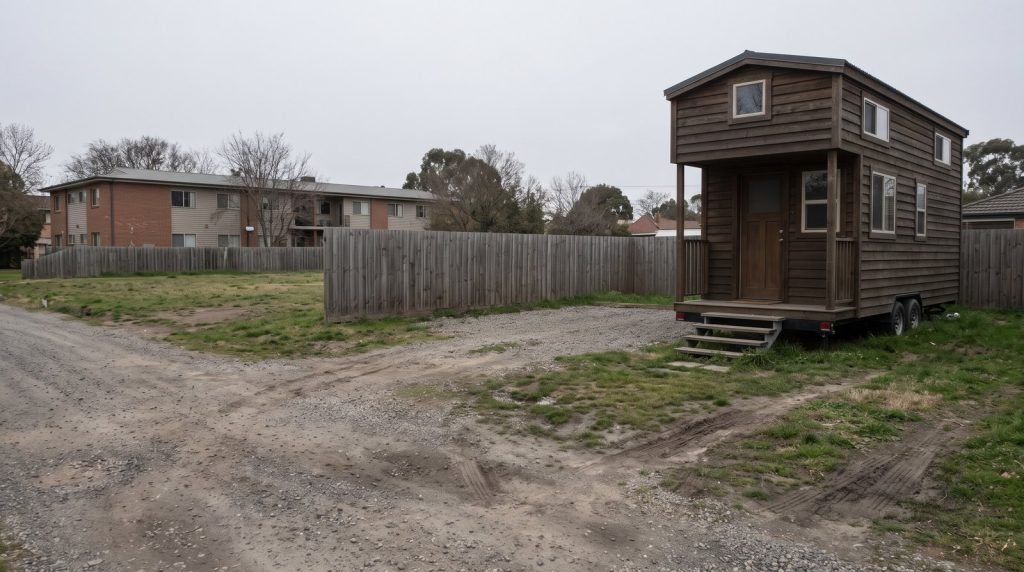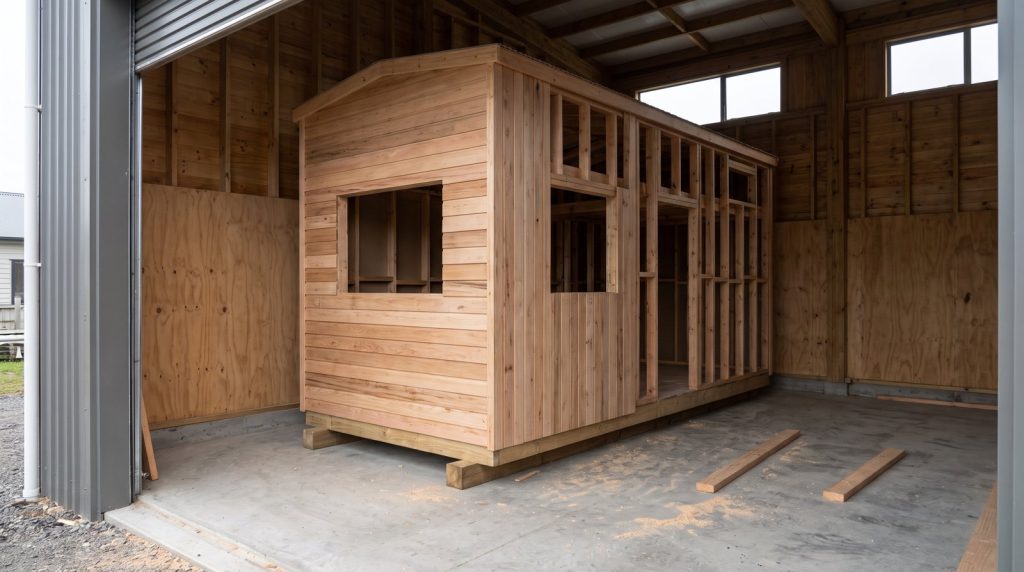
Buying a tiny house with a friend can work when both buyers agree on ownership, debt, living arrangements, and a realistic exit plan before paying a deposit. Confirm how the home and land will be titled, what each person owes, and how either owner can leave without an unresolved financial dispute.
Table of Contents
Quick answer by situation
Start with the arrangement you actually want, because sharing a purchase does not always mean sharing a household. Two full-time residents, alternating weekend users, and an owner with a paying roommate need different plans. Write down who will own the home, who will occupy it, and who will sign each obligation.
- Both friends will live there: Test privacy, sleeping space, work routines, and household spending before committing.
- You will use it at different times: Agree on a calendar, cleaning handovers, storage, guests, and maintenance during empty periods.
- One friend contributes more cash: Record whether that money changes ownership, creates a separate repayment obligation, or has another agreed purpose.
- One person owns the land: Have a professional review the relationship between land ownership, the home, access, and removal rights.
- Only one person will own the house: Consider whether the other person is a tenant or permitted occupant instead of calling the arrangement shared ownership.
Compare your expected timelines early. A buyer seeking a permanent home and a friend expecting to move next year may have compatible budgets but incompatible plans. Put the intended holding period, likely life changes, and reasons either person would want out on the same page.
Confirm exactly what you are buying and owning
Identify the home, land, and ownership documents before choosing an ownership percentage. A tiny house might be part of a real estate purchase or a separately titled movable structure. Its marketing description does not settle that question. Ask the relevant title professional and local authorities which records apply to this particular home.
Collect the seller’s ownership documents, the property description, any vehicle or manufactured-home identifiers, and information about existing loans or liens. Have a qualified professional check that the seller can transfer what is being offered. A bill of sale for a house does not explain who controls its parking space.
Manufactured housing provides an example of why classification matters. Fannie Mae’s titling guidance, updated with 2025 state resources, describes different state processes for treating manufactured homes as real property. Those requirements do not automatically apply to every tiny house or establish that your house qualifies for that financing.
For a real estate purchase, ask an attorney to explain available co-ownership forms, ownership shares, transfer restrictions, and what happens if an owner dies. For a separately titled home, ask which agency records ownership and how multiple owners are listed. Do not select a title structure from an online checklist alone.
Separate your ownership share from the loan obligation
Agreeing to own half the home does not necessarily limit your responsibility to half the loan. Read the actual financing documents with the lender and obtain an explanation of each signer’s obligations. Your private spending arrangement should fit the loan terms, rather than assume the lender will follow your split.
The Consumer Financial Protection Bureau’s mortgage glossary explains that a co-signer or co-borrower accepts responsibility for repaying the mortgage with the other borrower. Some programs distinguish a co-signer who has no ownership interest. The label alone is not enough to understand the transaction.
The Federal Trade Commission’s cosigning guidance also makes clear that cosigning itself does not give someone ownership. Ask separately whose name will appear on the ownership record and who will be liable for the debt. Keep copies of both sets of documents.
Give prospective lenders the exact home type, site arrangement, occupancy plan, and proposed buyers. Request written loan terms before treating financing as available. Our guide to tiny house financing options can help frame those questions, but an advertised loan category is not an approval for your purchase.
Make contributions and monthly spending explicit
Use a written contribution schedule that separates purchase money, borrowing costs, ongoing bills, and improvements. Decide how each category will be shared and documented. Equal monthly transfers can conceal unequal upfront contributions, while equal ownership can still coexist with a different agreed division of day-to-day expenses.
As a planning example, suppose one friend provides more of the initial cash while both expect equal use. Discuss whether the difference represents a larger ownership share, a documented loan between the friends, or another arrangement. Have the chosen approach reviewed before money changes hands, including any tax consequences.
List actual expected expenses: financing, site rent, insurance, utilities, applicable taxes or registration, routine upkeep, and replacement purchases. Separate a household grocery bill from a payment intended to increase someone’s investment. Avoid assuming that every dollar spent on the house must be reimbursed at sale.
Choose a recordkeeping method both people can inspect. Record the date, payer, purpose, receipt, and agreed treatment of each significant expense. Review the ledger monthly and resolve unclear entries while the facts are fresh. Decide whether unapproved purchases are personal spending or require a later agreement.
Set an emergency reserve target using your actual obligations and likely repair needs. Then discuss what happens if one person cannot contribute: notice, a temporary arrangement, and a deadline for reconsidering the purchase or ownership plan.
Test the living arrangement and site permission
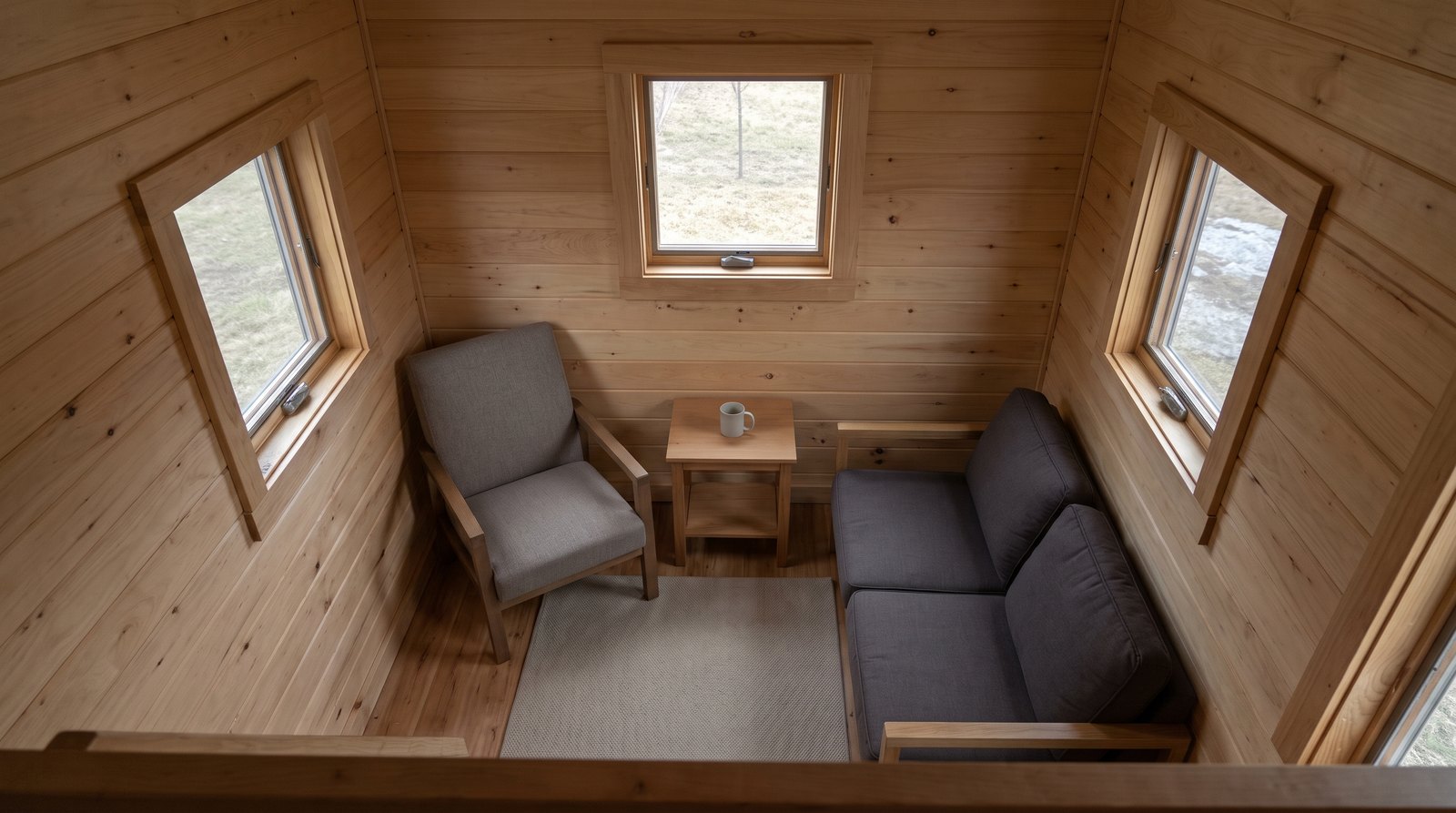
Check whether the house works for two separate adults before assuming a low purchase price makes it suitable. Privacy, sleep, bathroom access, and work calls become daily negotiations in a small space. At the same time, confirm that both proposed occupants and the intended use are allowed at the chosen site.
Walk through an ordinary weekday together. One person might leave early while the other works evenings. Identify where each person changes clothes, takes a private call, keeps medication, and stores personal belongings. Check whether someone can reach the bathroom without crossing the other’s sleeping area.
Write simple household expectations for visitors, overnight guests, partners, pets, quiet hours, cleaning, and shared food. For alternating use, include arrival and departure times, calendar priority, linens, and reporting damage. Plan for someone wanting to use the house during a week originally assigned to the other owner.
Ownership and permission to occupy are separate checks. Ask the city or county about the proposed residential use and ask the landowner or community about both occupants. Review the lease or site agreement, including whether a sale, ownership change, or extended absence affects permission to stay. Local requirements vary.
If the house sits on one friend’s land, ask an attorney to document access, utility arrangements, the expected duration, and an exit procedure appropriate to that property. A friendly invitation is not a complete shared-purchase plan.
Agree on repairs, insurance, and decision-making
Assign responsibility for routine work and set a clear process for larger decisions before something breaks. A useful plan distinguishes urgent action to limit damage from optional improvements. It also identifies who contacts contractors, who keeps the records, and how both owners approve spending without delaying necessary maintenance.
Create a short maintenance calendar based on the actual home’s manuals and condition. Give every recurring task a named person and a backup. Sharing the bill does not ensure that either owner remembers to arrange service or notice a developing leak.
Agree on a spending threshold for advance discussion and a way to document urgent expenses. For example, decide how the person discovering a leak should notify the other owner and arrange professional help. Have your attorney incorporate any binding approval and reimbursement rules into the ownership agreement.
Describe the whole arrangement to an insurance professional: both owners, everyone living there, the site, whether the home moves, and any rental plans. Ask how the policy should identify the owners and cover the intended use. Review deductibles and claims procedures together. Our tiny house insurance guide provides background for that conversation.
For disagreements, set a discussion date and consider a mutually accepted mediator. Neither person should assume that doing more chores automatically gives them greater authority to approve a renovation, sell the home, or move it.
Write the exit plan before paying a deposit
Plan how either owner can leave while the friendship is working well. The agreement should address notice, valuation, a possible buyout, sale procedures, and continuing expenses during the transition. Have independent legal advice available to each buyer, especially when the contributions, land ownership, or bargaining positions are unequal.
Ask how a buyout price would be established, who pays for a valuation, and how disagreements are resolved. Discuss whether selling costs, outstanding debt, documented contributions, or approved improvements enter the calculation. Do not promise repayment of the original contribution regardless of what the home is worth.
A buyout also needs a funding plan and a deadline. The remaining owner may want the house but lack enough cash or qualifying income. Ask the lender which release, assumption, refinancing, or payoff options are actually available. A private promise between friends should never be treated as confirmation of release from a loan.
If neither person can buy the other out, outline how you will seek a buyer, select an asking price, handle offers, and pay expenses until closing. For a movable home, include transport and site-clearance planning. Review tiny house moving costs before assuming relocation will solve an ownership dispute.
Ask the attorney to address death, incapacity, prolonged nonpayment, and a proposed transfer to someone outside the friendship. Ask a tax professional about the specific contribution and exit arrangements. Finish these conversations before a deposit creates pressure to accept terms that one buyer does not understand.
Frequently asked questions
The practical answer to most shared-purchase questions depends on the home’s classification, ownership records, financing, and your agreement. Use these answers to prepare for conversations with the lender, title professional, insurer, and attorney. Get transaction-specific answers before committing money, rather than relying on how another pair of friends handled their purchase.
Can two friends buy a tiny house together?
Two friends can explore a joint purchase, but the available ownership and financing arrangements depend on the home, location, and lender. Confirm how both owners will be recorded and whether the intended occupancy is permitted. A written agreement should cover contributions, expenses, decisions, and an exit before either person pays.
Do we have to split ownership equally?
Do not assume equal ownership is required or that an unequal cash contribution automatically establishes a different share. Ask the professional handling your transaction which arrangements are available and how to document the agreed interests. Keep ownership shares, monthly expense sharing, and any separate loans clearly distinguished in the paperwork.
Does cosigning make me a part owner?
Cosigning alone does not give you an ownership interest, according to the Federal Trade Commission. If you expect to own part of the tiny house, confirm that through the appropriate ownership documents. Ask the lender and attorney to explain your debt obligations and property rights separately before you sign anything.
What happens if one friend wants to move out?
Moving out should trigger the notice and exit process you agreed on, rather than an assumption that all obligations stop. Discuss continued expenses, any buyout, and a possible sale. Ask the lender what must happen to release a departing borrower, and have ownership changes completed through the proper legal process.
Can we put the shared tiny house on one friend’s land?
That arrangement needs separate checks for the home, land, occupancy, and financing. Confirm local approval and have an attorney review access, utilities, duration, and what happens if the land is sold or the friendship ends. Do not assume owning part of the house gives you ownership of the underlying land.