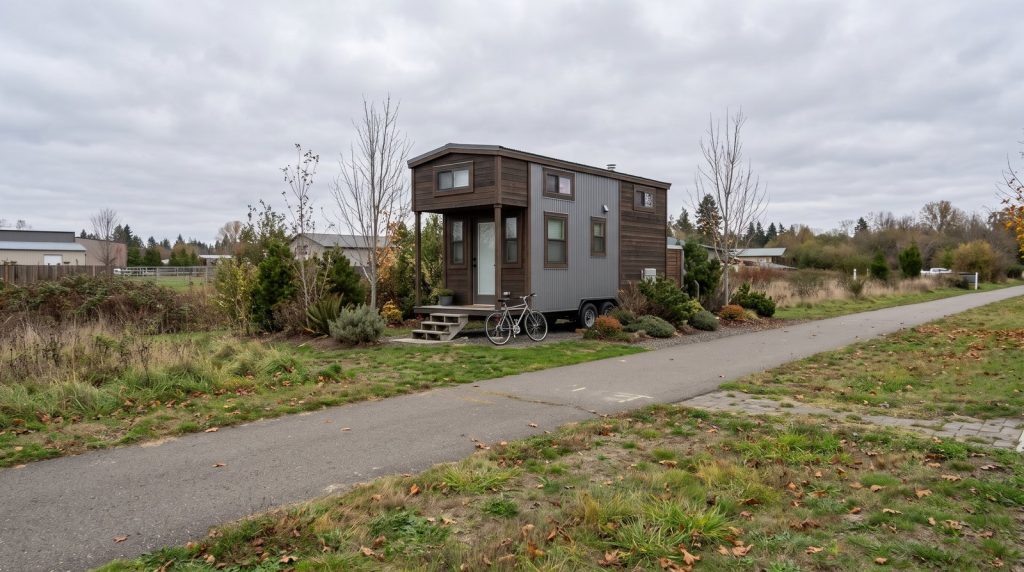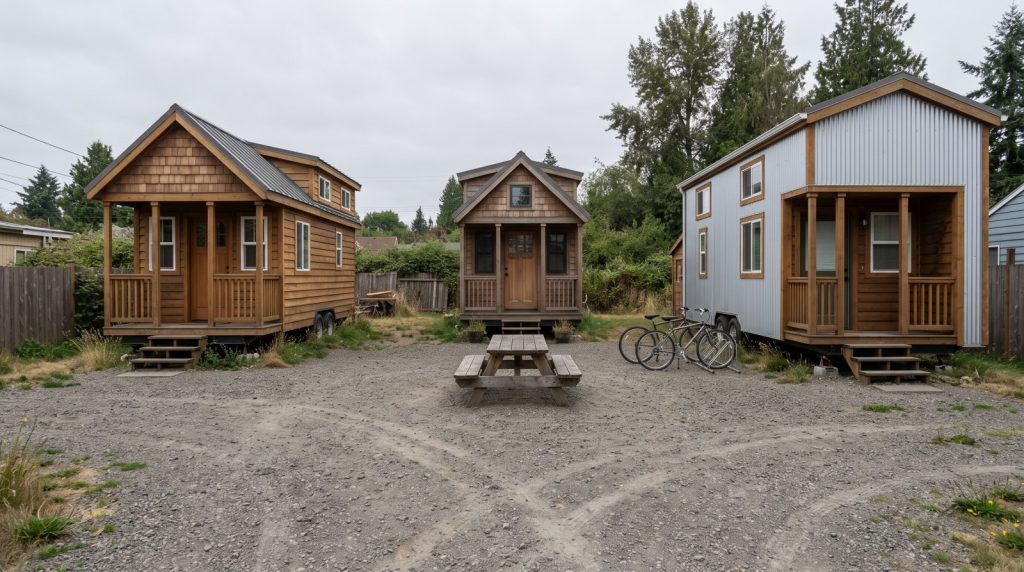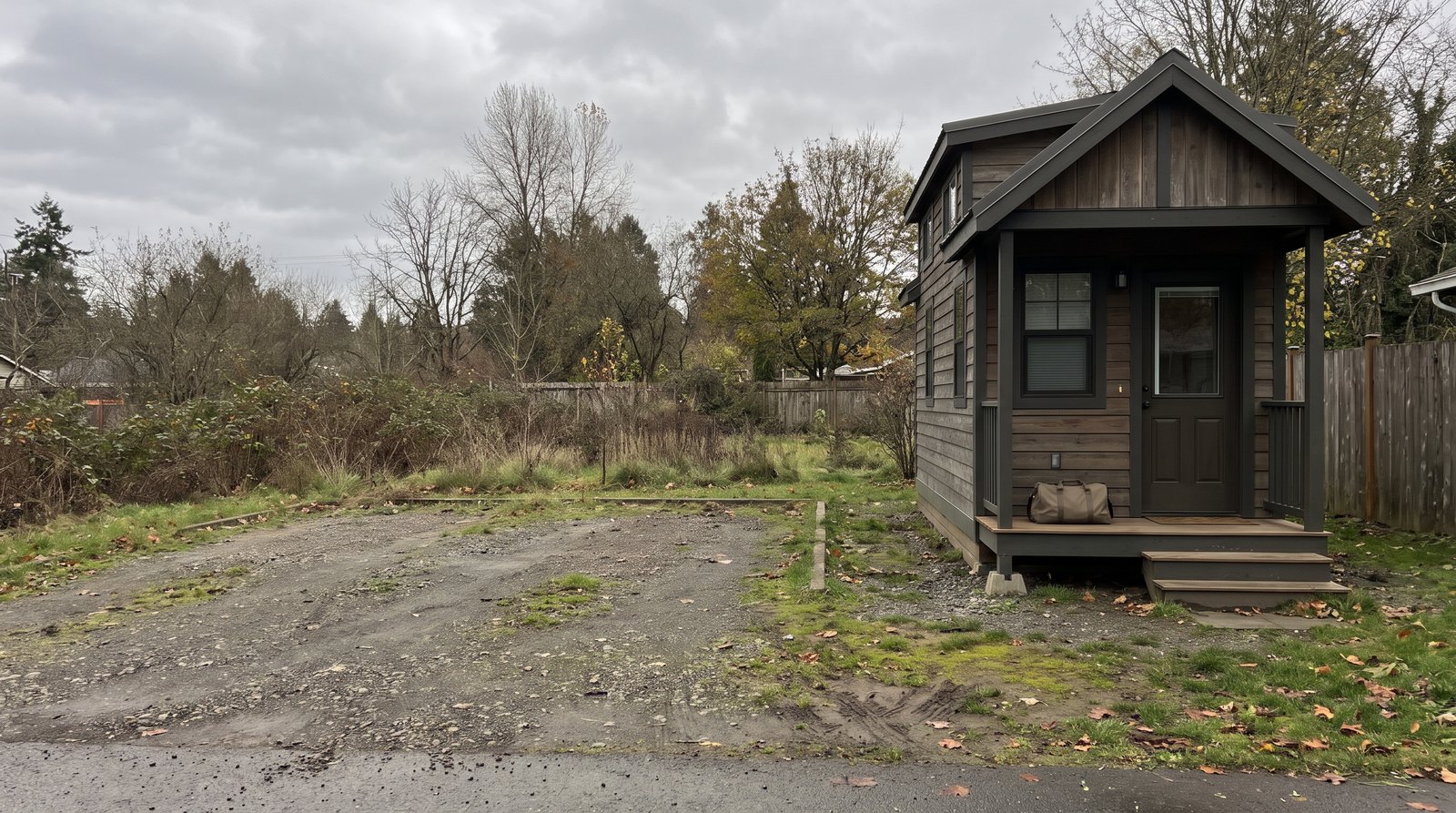
To try tiny house living before buying, rent a home that resembles the size, sleeping arrangement, and utilities you intend to use. Spend part of the stay following normal routines, including work, cooking, cleaning, and quiet time. Record specific problems and benefits, then use those observations to revise your buying requirements.
Table of Contents
Choose a trial that answers your biggest uncertainty
A useful trial tests a decision you have not settled, such as whether a loft suits your sleep routine or two adults can share one living area. Choose the rental around that question. A memorable destination can be enjoyable, but it should not hide the limitations you need to examine.
Write down three questions before searching. For example: Can I work comfortably while my partner prepares lunch? Can we get dressed without blocking the bathroom? Would we still like the home if rain kept us inside all evening? These are more useful than a general question about whether tiny houses are appealing.
Match the sleeping level, kitchen equipment, bathroom arrangement, and indoor seating to your likely purchase. Ask for a floor plan or measurements when photographs leave something unclear. A wide-angle picture cannot tell you how easily a chair pulls out while another person passes behind it.
Rental directories can help identify actual models. ESCAPE Vacations, for example, lists stays in different ESCAPE units. That is a way to investigate layouts, not a recommendation of a particular property. Confirm the exact unit, available dates, amenities, and complete booking terms directly before paying.
A compact cabin with a ground-floor bed will not answer every question about a trailer home with a loft. If you are still choosing between housing types, our tiny house versus RV comparison can help you define which experience you actually need to test.
Pack for ordinary days and plan a realistic schedule
Bring the belongings you normally use during the activities you intend to test, including work equipment, everyday clothing, and cooking essentials the rental does not supply. Schedule time inside the house rather than filling every hour with outings. A trial becomes more useful when you repeat routines after the arrival excitement fades.
A weekend can expose obvious dislikes. Several nights that include a working day and an unscheduled evening provide more opportunities to notice recurring friction. There is no universal minimum that proves suitability. Pick a length you can afford and identify what that length will leave untested.
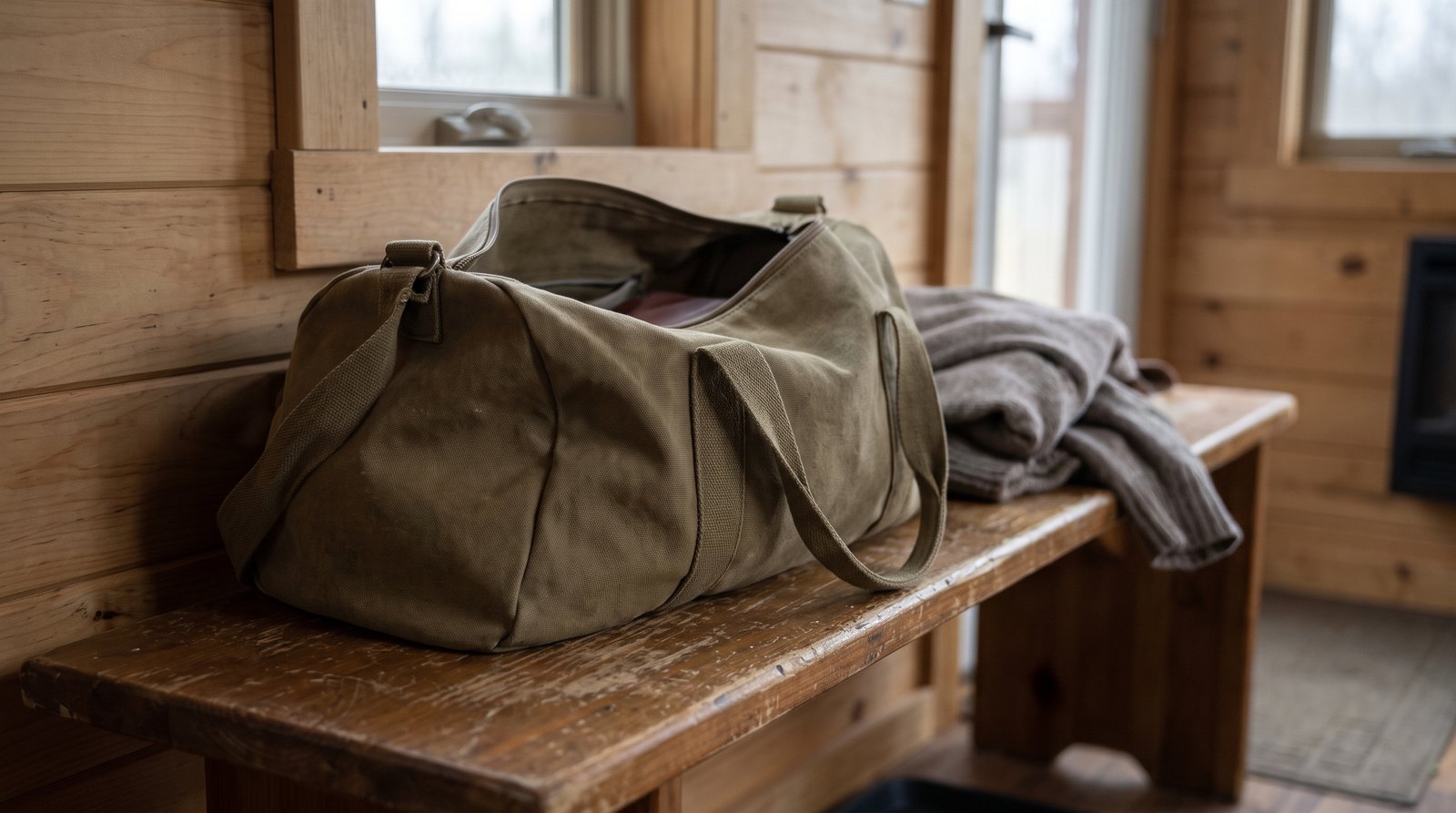
Unpack instead of leaving everything in luggage. Find places for shoes, toiletries, chargers, laundry, groceries, and the bag itself. If belongings stay in your vehicle, record that as extra storage. It may be an acceptable arrangement, but it is part of the setup you are evaluating.
Ask what the host provides before packing bulky items. Follow the property rules, and agree on unusual activities in advance. Do not bring extra occupants, pets, appliances, or work equipment that the reservation does not permit.
Use a simple schedule: arrival and unpacking, a normal morning, a working or household day, an ordinary dinner, and an evening at home. Leave enough time for the chores that follow. The point is to find out whether a routine remains comfortable when you must repeat it tomorrow.
Quick answer by situation
The right test depends on who will live in the house and which routines matter most. Choose a few priorities you can observe directly, then add the constraints of the intended location. Everyone who expects to share the home should contribute their own requirements before the trip and observations afterward.
- Buying alone: Test the complete morning and evening routine, including carrying groceries inside and making the bed without help.
- Moving with a partner: Spend time doing different things simultaneously. Pay attention to noise, circulation, and the ability to be alone.
- Working remotely: Bring your normal setup and complete a representative work session from the actual seat you would use.
- Considering a loft: Check access, headroom, bedding changes, nighttime bathroom trips, and whether both sleepers can get in and out comfortably.
- Planning for children or pets: Select a permitted stay with a comparable sleeping arrangement and usable space for their daily belongings.
- Needing step-free access: Confirm the route from parking through the entrance, bathroom, and sleeping area before booking.
Airbnb offers accessibility search features and advises contacting hosts about specific needs. Use those tools to narrow the search, then confirm the measurements and arrangements that matter to you. A feature label alone does not describe every part of your route through a home.
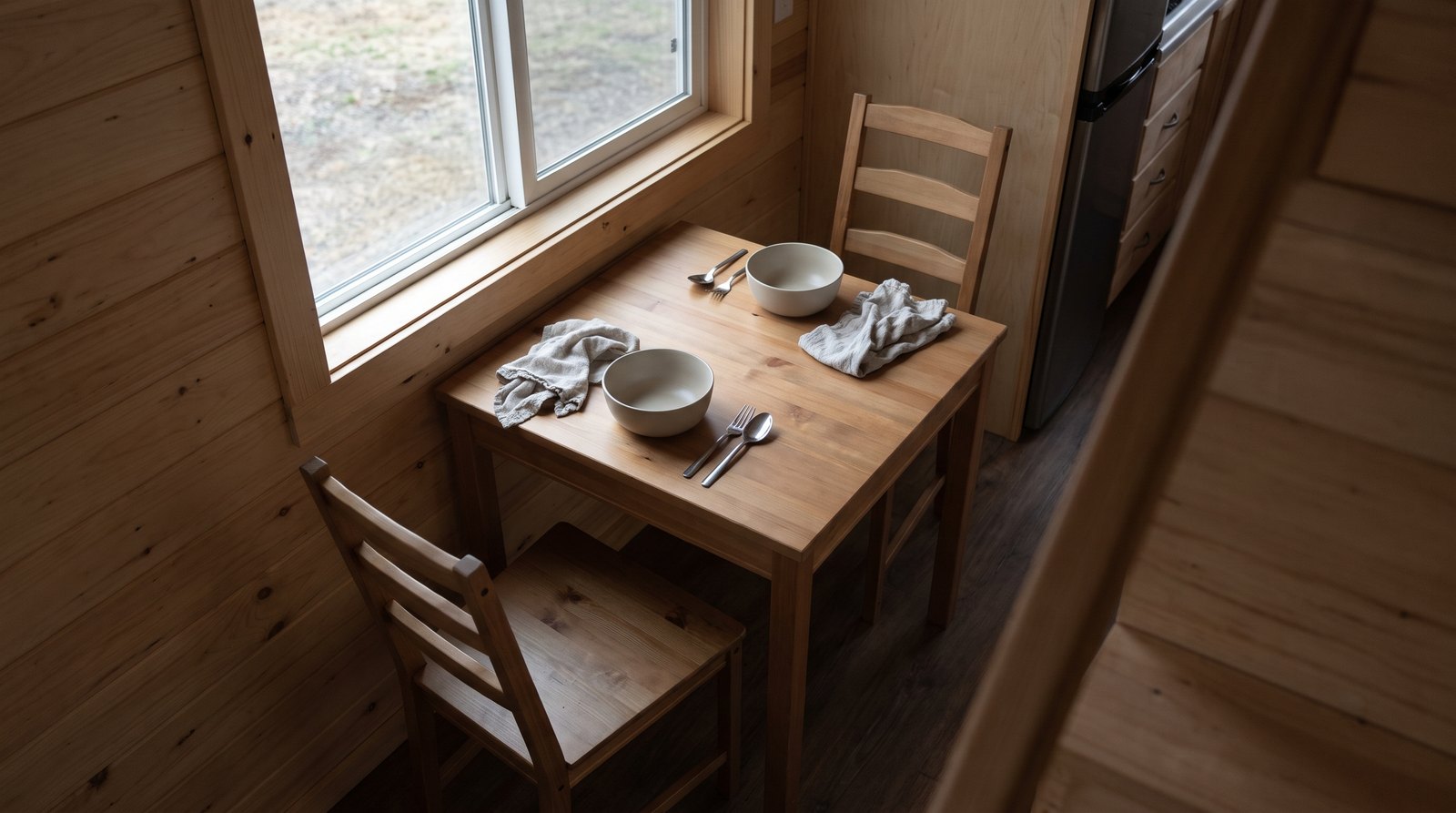
Test meals, work, sleep, and privacy together
Judge the house by overlapping routines, not by checking each feature in isolation. A table may work for dinner and a laptop but become frustrating when those uses collide. Watch how often you move possessions, interrupt someone, or convert furniture, and decide whether those repeated tasks fit your daily preferences.
Cook a meal you regularly make at home. Unpack ingredients, prepare food, serve it, wash up, and put everything away. Notice whether the draining dishes occupy your only preparation area and whether someone can reach the refrigerator while you are using the counter. Record workarounds as well as annoyances.
For work, assess the chair, table height, screen position, outlets, background noise, and the place to store equipment at the end of the day. Test a normal call if your work permits it. A laptop balanced on a sofa for twenty minutes is not the same experience as a full session.
Some listings include a measured internet speed. Airbnb explains its Wi-Fi testing feature and notes that results depend on network conditions and equipment. Ask where the connection was tested, then check your ordinary tasks from the work area. Avoid treating one advertised number as a guarantee of uninterrupted service.
At night, use your normal bedtime routine. Notice light from nearby areas, appliance sounds, and whether one person getting up disturbs the other. Try an ordinary evening in which one person wants quiet and the other wants entertainment. Discuss the experience separately before comparing notes so that enthusiasm does not silence a concern.
Include weather, location, and service responsibilities
A house that works during a pleasant weekend may feel different when outdoor space is unavailable or errands interrupt the day. Spend some time indoors without relying on the porch, and investigate the surrounding area. Also distinguish the services included in your rental from the tasks you would handle as an owner.
You cannot order representative weather. If the stay happens during mild conditions, mark heating, cooling, and seasonal access as unanswered questions. Ask the host about their experience, but do not turn that conversation into proof of performance in a different climate or on a different site.
Try the grocery trip, laundry arrangement, and route to work or other regular destinations. Check the actual time involved. A rental near restaurants may let you overlook a small kitchen, while an isolated future location could make cooking at home much more important.
Request an explanation of water, wastewater, power, trash, and routine maintenance responsibilities. Find out what the guest sees and what the operator handles behind the scenes. If a service is entirely managed for you, the stay tests your comfort with the result, not your willingness to perform the work.
Observe only the equipment you are authorized to use. Do not disconnect utilities, open service panels, or experiment with unfamiliar systems to simulate ownership. Record questions for the owner or installer. Our guide to how long tiny houses last provides background on why construction and ongoing care also belong in the eventual purchase review.
Keep a short record that separates problems from preferences
Record what happened, how often it happened, and what would change it. A specific observation is easier to act on than a broad statement that the house felt too small. Separate issues caused by the layout from problems caused by the rental furnishings, the location, or an unusual event during your stay.
Use four labels in a notebook: worked well, manageable compromise, must change, and not tested. Under each, write a concrete example. “The desk blocked the bathroom whenever its chair was occupied” points toward a layout requirement. “We disliked the chair” might call for different furniture rather than a larger house.
Track repetition. Moving a bag once on arrival is different from clearing a work surface three times a day. Also record the benefits you would miss in another home, such as a short cleaning routine, easy access to belongings, or enough seating without unused rooms.
Do not average away an essential requirement. One person needing reliable private work space can outweigh several pleasant features. Each future resident should identify which compromises are acceptable and which would make the arrangement unsuitable. Keep uncertainty visible instead of assigning a reassuring score to something the stay never tested.
Turn the results into a buying decision
Finish the trial with a revised list of requirements, unresolved questions, and conditions that would stop a purchase. A successful stay can justify further research, while a disappointing one may identify a different layout to test. Neither result replaces checking the specific home, its intended site, and the complete ownership budget.
For each must-change item, describe a possible solution and how you will verify it. If loft access was the problem, compare a ground-floor bedroom. If two activities competed for the same table, investigate a permanent work surface. Avoid assuming that an attractive drawing automatically solves a problem you experienced.
A second stay is most useful when it tests a clear alternative. Repeating a similar vacation without changing the disputed feature adds less evidence. You can also use a measured floor outline at home to explore circulation, while recognizing that it cannot reproduce ceiling height, acoustics, temperature, or the surrounding site.
Keep rental costs separate from ownership costs. Record your actual stay total, travel, and extra meals as the cost of this experiment. Do not multiply a nightly rate to estimate mortgage payments or annual upkeep. Obtain current quotes for the particular purchase and services you are considering.
Finally, write a decision sentence: “We will continue only if the home provides these features, and these questions are resolved.” It is equally useful to conclude that a different kind of housing suits you better. The trial has done its job when it changes a decision using evidence from your own routines.
Frequently asked questions
A trial stay gives you direct experience with a particular home and setting, but it does not answer every ownership question. These common questions help define what a short visit can establish, what to bring, and when a second test is worth considering before moving further into the buying process.
How long should I try tiny house living before buying?
Choose enough time to repeat the routines that matter to you. A weekend can reveal obvious layout problems, while several nights with a working day provide a broader test. No fixed number guarantees a good decision. Record which conditions, seasons, and responsibilities your stay did not include.
Should I rent the exact model I want to buy?
Renting the same model can help you evaluate its basic layout, but furnishings, options, and site conditions may differ. If that model is unavailable, prioritize comparable sleeping arrangements, usable floor space, kitchen equipment, and utilities. Write down the differences so you do not transfer every observation to the prospective purchase.
What should I bring to a tiny house trial stay?
Bring the everyday items needed for your planned routines, such as work equipment, regular clothing, toiletries, and groceries. Confirm what the rental supplies and permits first. Unpack during the stay and note anything stored in the car, because that outside storage affects how well the house appears to work.
Can a vacation tell me whether full-time tiny living will work?
It can reveal useful preferences, but a vacation usually leaves important routines untested. Meals out, outdoor recreation, and host-managed services may reduce the demands on the house. Include ordinary chores and time indoors, then separate what you observed from questions about year-round comfort, maintenance, and the intended location.
What if I like the house but my partner does not?
Compare specific observations rather than debating whether tiny living is good or bad. Identify each person’s essential needs and determine whether another layout could meet them. A second trial can test a proposed solution. If a core need remains unresolved, keep it as a condition that must be satisfied before buying.