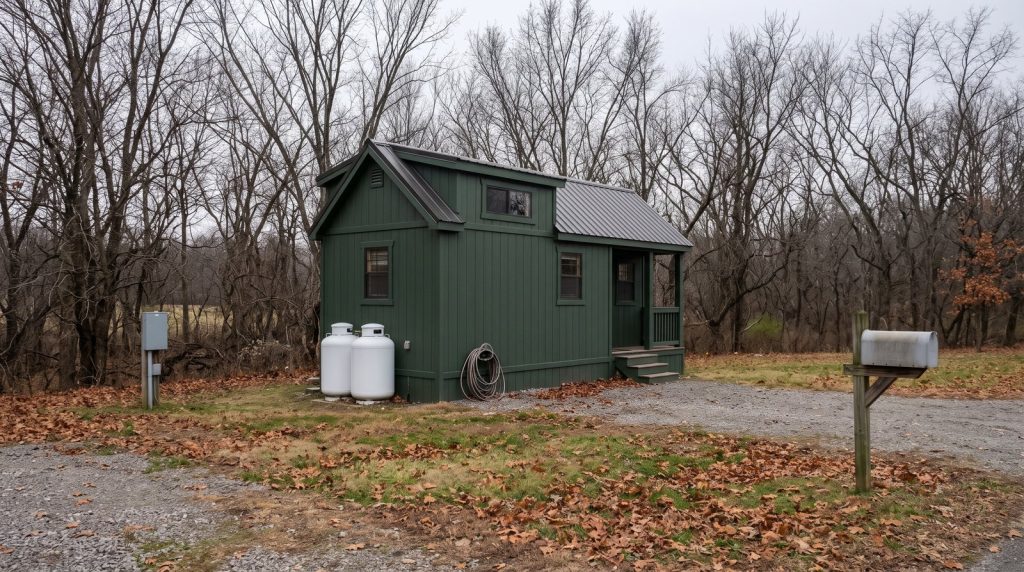
Tiny house plumbing bypass valves route water around equipment during service or winterization. The right setup can keep a drained water heater isolated, let a pump draw winterizing fluid, or temporarily skip a filter. A bypass does not drain trapped water, prevent freezing, or replace required backflow protection.
Table of Contents
Quick answer by situation
Choose a bypass for the equipment you actually own and the task you need to perform. A heater bypass, a pump suction selector, and a treatment bypass have different jobs. Start with the equipment manuals and a drawing of your plumbing, then have unclear connections identified before operating anything.
- Storing an unheated house: Follow a complete winterization plan, including the heater, pump, fixtures, drains, and appliances.
- Servicing a water heater: Use its approved isolation and service arrangement. Keep its energy sources off while it is empty or isolated.
- Drawing winterizing fluid: A compatible pump converter selects a separate suction hose instead of the freshwater tank.
- Servicing a softener: An approved bypass may maintain supply, but the water will no longer receive that treatment.
- Unknown valve positions: Stop and identify the flow paths. Handle color alone does not establish what a valve controls.
These are planning choices, not interchangeable accessories. A foundation house with residential equipment may need a different service arrangement from a tiny house on wheels with RV components. Our comparison of tiny houses and RVs for full-time living explains why the distinction matters beyond appearance.
Understand one-valve and three-valve layouts
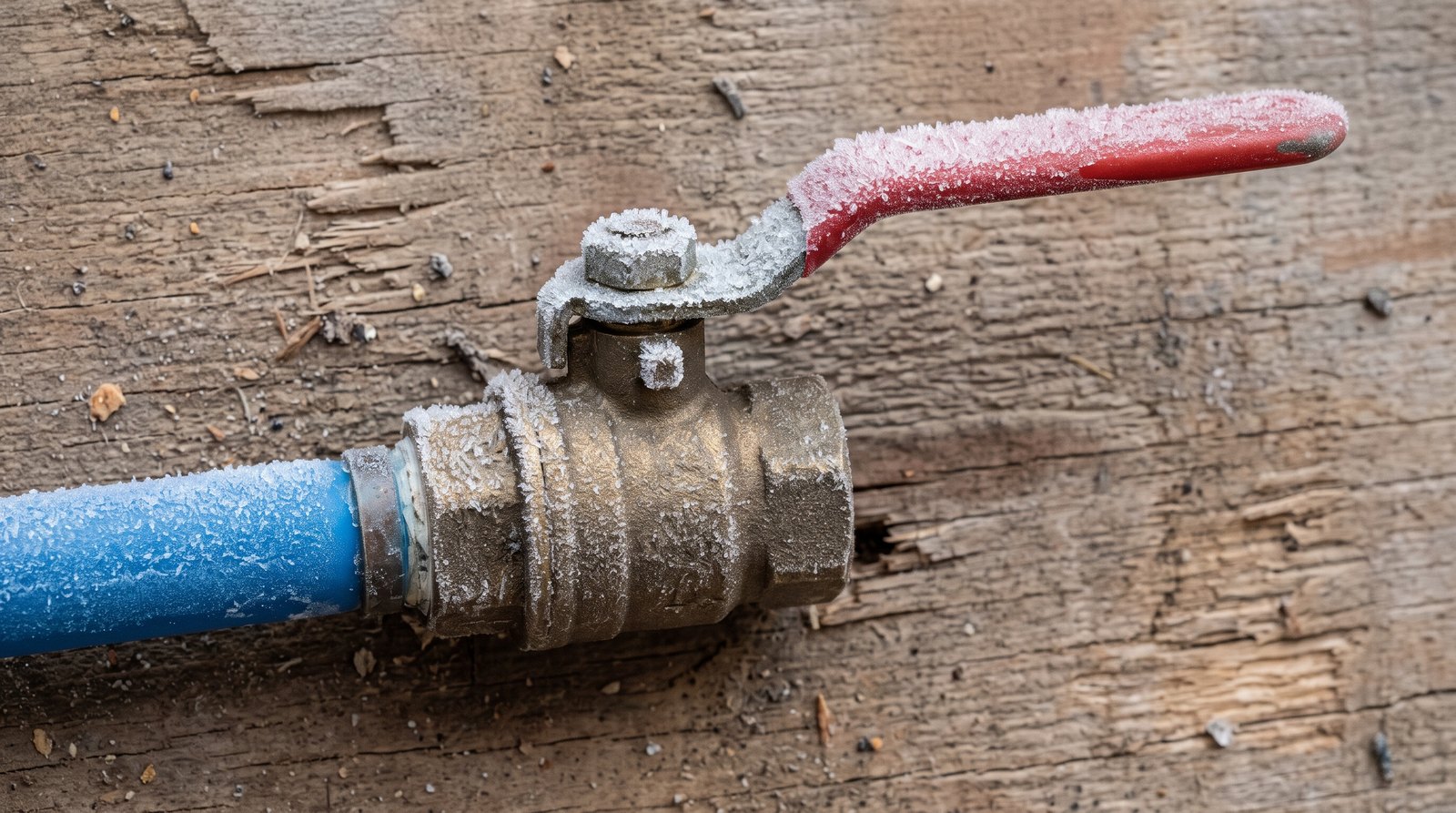
The number of visible handles does not tell you the entire bypass arrangement. Some systems combine a three-way selector with a check valve, while others use separate inlet, outlet, and bypass valves. Match the actual ports and flow direction to the supplied diagram before deciding which position means normal operation.
One visible control can hide other components
A three-way valve redirects flow between ports. It is different from an ordinary two-port shutoff, even when both have similar handles. A check valve elsewhere may be essential to keeping water from entering the isolated heater through its outlet. Replacing either part with a convenient look-alike can change how the assembly works.
Camco describes several arrangements in its RV winterization guide. Use the instructions for the exact kit, including port markings and check-valve orientation, rather than copying a photograph from another house.
Three separate valves make the paths easier to trace
A typical three-valve arrangement has controls at the equipment inlet and outlet, plus a connection around it. Normal service sends water through the appliance; bypass sends it around. The correct switching sequence still depends on the assembly and the work being done.
Ask the installer to demonstrate both modes and identify every hidden check valve. Photograph the completed installation before access panels cover it. A diagram that matches your house is more useful than remembering that a handle once pointed left.
Winterize the heater without confusing bypass and drain
Bypassing a water heater redirects the plumbing flow; draining removes water from the appliance. Both may be needed for winter storage. Turn off the heater as its manual requires, let it cool, and relieve pressure before opening drains. Never assume a tank is empty because the bypass handle has moved.
The 2026 Jayco Class C manual treats draining and bypassing a tank heater as separate winterization tasks and warns against opening a hot or pressurized heater. Those instructions illustrate the distinction, but they do not establish a procedure for every tiny house appliance.
Tankless equipment needs its own instructions. For example, Truma’s AquaGo guidance calls for its dedicated drain mechanism and gives specific restrictions on winterizing fluid and high-pressure air. A generic tank-heater checklist is not a substitute for that model-specific process.
Before the first cold spell, make an inventory of everything containing water: outdoor shower, toilet valve, washing machine, dishwasher, refrigerator connection, filter housings, pump strainer, and exposed supply hose. Give each item its own line on your checklist. Do not assume that fluid appearing at the kitchen tap proves every branch is protected.
Keep a separate restart checklist beside the storage checklist. The person opening the house in spring may not be the person who closed it. Record removed parts, their storage location, and the heater’s disabled status so nobody restores power to an empty appliance.
Pump and filter bypasses need separate decisions
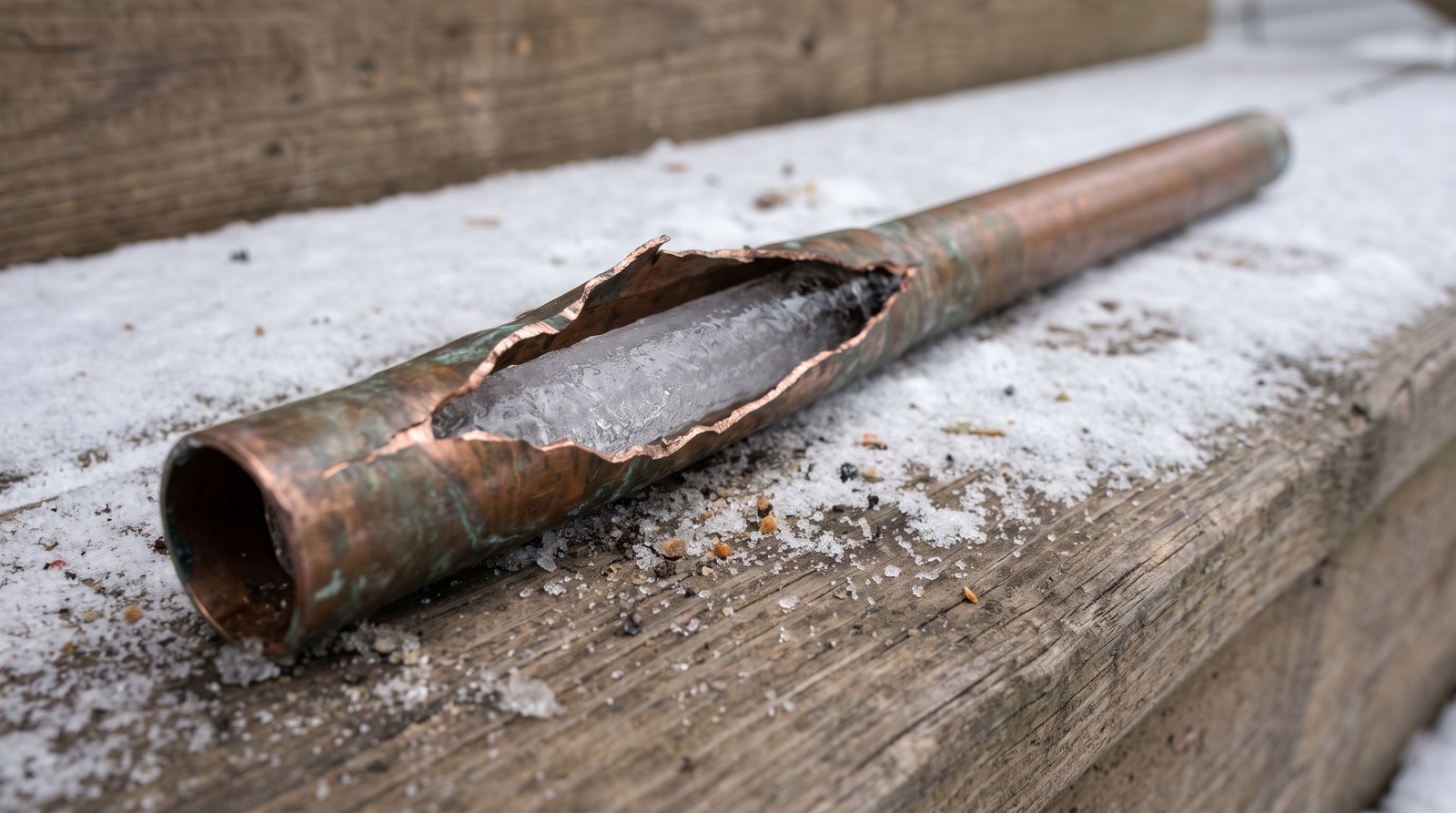
A pump winterizing valve selects where the pump draws from, while a filter or softener bypass changes which treatment the water receives. Neither action proves that the remaining plumbing is protected from freezing. Identify both systems separately, and confirm whether untreated supply water is safe before allowing household use.
A pump converter typically provides a suction hose for an approved winterizing product. It does not replace the heater bypass. Use only fluid intended for the applicable potable-water winterization procedure, never automotive antifreeze, and follow the equipment and product instructions. Keep the suction hose clean, capped, and stored away from wastewater equipment.
For treatment equipment, Pentair’s September 2026 Fleck 2510 AiQ manual explains that bypass isolates the softener while allowing unconditioned water through. That is an operating description, not a declaration that every untreated source is drinkable.
Determine why the treatment is installed. Skipping equipment used for taste or hardness is a different decision from interrupting a barrier relied on for a known contaminant. Ask the water-treatment professional what uses remain acceptable and how return to service should be verified.
Also distinguish bypass from pressure relief. A filter housing may still contain pressure after the main flow has been diverted. Follow its isolation and depressurization instructions before opening it. Put a temporary notice at the kitchen sink when service changes the water available to occupants.
Keep backflow and pressure protection intact
A service bypass must not create a route around required drinking-water protection or disable an appliance safety device. Have a qualified installer review any proposed modification involving multiple water sources, treatment barriers, check valves, or relief devices. The applicable equipment instructions and local requirements control the finished arrangement.
The EPA’s cross-connection guidance explains how unintended reverse flow can introduce contaminants into drinking water. It also notes that programs vary by state and municipality. Confirm the requirements with your water supplier and city or county plumbing authority before changing the connection.
Do not improvise a connection between drinking-water plumbing and a rainwater tank, wastewater line, or chemical container. A convenient hose connection can create a problem even when it is intended to be temporary. The installer should identify the required separation or approved protection for the actual hazard.
Keep the water heater’s temperature-and-pressure relief protection and discharge path intact. Do not cap a leaking relief outlet, isolate the safety valve from the tank, or treat a bypass as a solution to excess pressure. A new check valve can also affect thermal-expansion management, which needs review as part of the whole installation.
Write down the approved configuration when the job is complete. Future owners and service technicians should not have to infer which parts were added or why.
Design access, labels, and travel checks together
Put bypass controls where you can see the labels, reach the handles, and inspect the surrounding joints without dismantling furniture. A tiny cabinet saves little space if it prevents safe service. Plan enough clearance for the actual replacement task, including removing a filter housing or disconnecting the appliance.
Before approving the layout, have someone demonstrate the service position with the cabinet finished. Can a handle complete its travel without striking a wall? Can a tray fit underneath? Can a technician reach the connection with the required tool? These checks are easier before cabinets and trim are fixed in place.
Use durable labels stating the equipment name and operating mode. Add a matching photograph or diagram inside the access door. Label the pump suction selector separately from the heater bypass, and mark any winterized appliance that must remain off.
For a tiny house on wheels, ask the builder how pipes, valves, and equipment are supported during travel. Follow the specified support and connection requirements instead of letting a heavy assembly hang from flexible tubing. Include accessible joints and handle positions in arrival checks after towing.
Keep the area clear of stored cleaning supplies and loose gear that can hit a handle. These small maintenance habits fit into the broader care discussed in how long tiny houses last.
Budget for the complete job, not just the valve
The cost of a bypass depends on the equipment, access, fittings, labor, and testing needed to finish the job. A small kit price is only one line in that budget. Ask for an itemized quote that identifies the exact parts, any cabinet work, and the checks included before handover.
As one current product-price reference, Camco listed its 36543 pump converter winterizing kit at $27.99 when checked for this article. That is a pump accessory price, not a complete heater bypass installation or a universal recommendation. Confirm current pricing and compatibility before buying.
Your quote should separate the kit or valves from adapters, compatible tubing, supports, access-panel work, service-call charges, labor, and any permit or inspection fees. Request a description of how the installer will verify operation and leave the system ready for use.
Compare quotes with the same scope. A low parts-only price cannot be compared directly with a finished installation that includes access improvements and commissioning. Likewise, an inaccessible connection can cost more to service later even if the initial assembly was inexpensive.
Keep receipts, model numbers, and service records. For damage-related questions, review your actual policy and our tiny house insurance guide, then ask your insurer about your specific circumstances.
Check operation before returning the house to use
After service, restore the documented operating configuration and verify the result before leaving the house unattended. Confirm that water follows the intended route, inspect accessible joints, and check every affected fixture. Refill and commission the heater exactly as its manual directs before restoring its energy supply.
Start with the work record. Confirm that removed parts have been reinstalled where required, temporary hoses are disconnected, and service ports are secured according to the equipment instructions. Complete the specified flushing or sanitizing procedure. Clear-looking water alone does not prove that a system is sanitary or free of residual winterizing fluid.
Watch the accessible connections during the approved pressure and operational checks. Dry surfaces make new moisture easier to spot. If a joint leaks, isolate the supply and correct the fault using the proper method; do not assume that tightening every connection harder is safe.
If hot water is unexpectedly cool, a pump behaves differently, or treatment performance changes, compare the configuration with the documented normal mode. A misplaced bypass control is one possible cause, not a diagnosis. Stop cycling unknown valves and arrange service if the drawing does not match the installation.
Leave the final checklist with the house records, including the date, equipment serviced, and any unresolved issue. A successful restart should be repeatable by the next person responsible for maintenance.
Frequently asked questions
Most bypass questions become easier once you identify the appliance, its plumbing diagram, and the intended task. The answers below cover common planning issues. For actual valve positions, winterizing products, drain procedures, and restart steps, use the instructions supplied for your installed equipment and the requirements of your local authority.
Does every tiny house need a water heater bypass?
No. The need depends on the heater, plumbing design, service requirements, and whether the house will be winterized. Some systems include the necessary arrangement already. Ask the builder or installer to identify the approved service and winterization method before buying a kit or adding valves.
Will turning the bypass valve prevent freezing?
No. A bypass redirects flow and can leave water trapped in the isolated equipment or nearby piping. Freeze protection requires the complete procedure for that system, including draining or other approved measures. Check the heater, pump, fixtures, and connected appliances individually rather than relying on one handle.
Can I use water while a softener is bypassed?
Sometimes, but the water will no longer receive that softening treatment. Whether household use is appropriate depends on the incoming water quality and the purpose of every treatment stage being bypassed. Confirm the arrangement with your installer, particularly when treatment is needed for a known health-related contaminant.
Is a pump winterizing valve the same as a heater bypass?
No. A pump winterizing selector changes the source feeding the pump, commonly to a separate suction hose. A heater bypass routes flow around the heater. They perform different jobs and may both be present. Identify each control from the plumbing diagram before starting the equipment-specific winterization procedure.
Can I install bypass valves myself?
That depends on local rules, your skills, and the equipment involved. Get professional help when the work changes safety devices, treatment barriers, or connections between water sources. Even a straightforward accessory needs compatible parts, correct support, accessible controls, and verification against the manufacturer instructions before use.