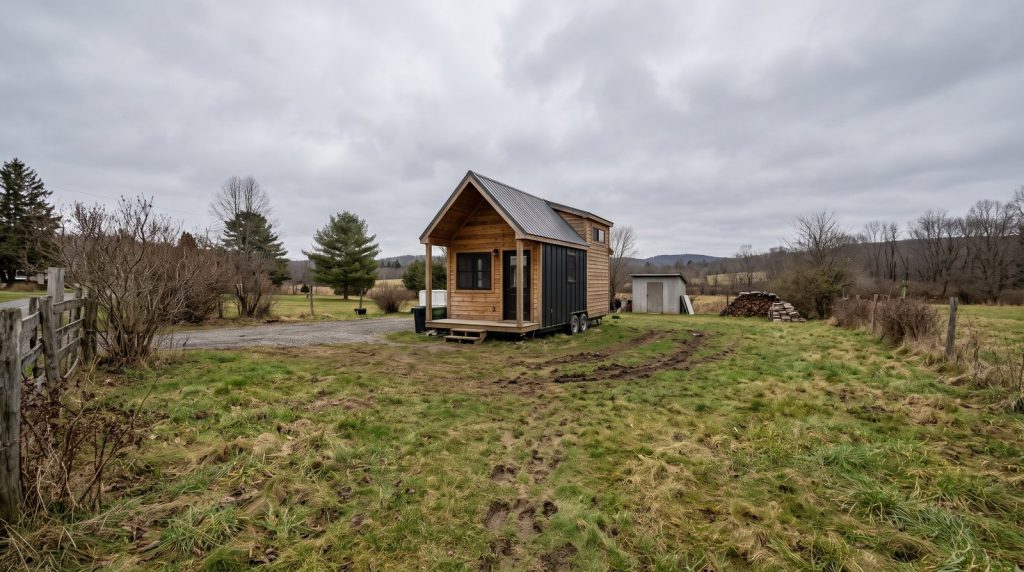
A tiny house shell leaves you responsible for finishing much of the home, while a turnkey package includes a completed interior to the builder’s stated scope. Compare the total cost and work needed to reach approved occupancy, including site preparation, connections, hired trades, inspections, and somewhere to live during construction.
Table of Contents
What shell, partially finished, and turnkey actually mean
These labels describe completion levels, but they do not provide a universal list of inclusions. A shell might be a dried-in exterior with an unfinished interior, while a partial package adds selected work. Turnkey generally means a finished home, although furniture, delivery, and property improvements can remain outside the agreement.
Start with a written specification for the exact house you want. Ask what will physically arrive, what will already be installed, and what will still need work. A photo of a furnished model cannot answer those questions. Neither can a price attached to a floor plan with several optional upgrades.
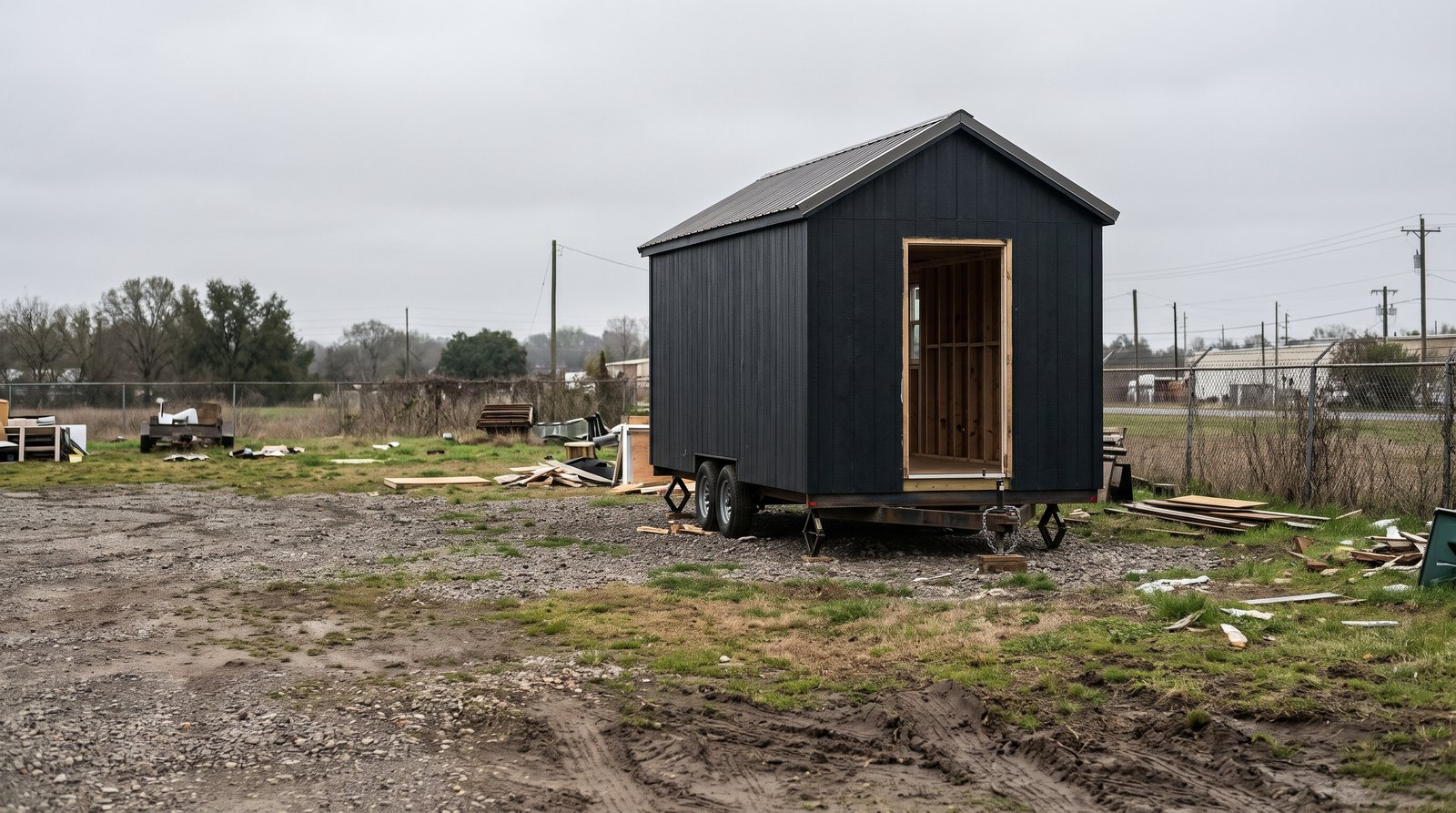
For a concrete example, Backcountry Tiny Homes lists three build levels. Its shell includes the framed structure, windows, doors, siding, and roofing, but excludes utilities, wall and roof insulation, and interior finishes. Its unfurnished option has a completed essential interior without the full furniture package. Those distinctions belong to that builder, not every seller.
Ask whether the advertised shell is assembled or a kit. A collection of panels awaiting erection represents a different project from a delivered enclosed building. If someone calls a package weather-tight, have them identify the completed roof, openings, exterior layers, and any temporary protection that still needs replacement.
List the work between delivery and a usable home
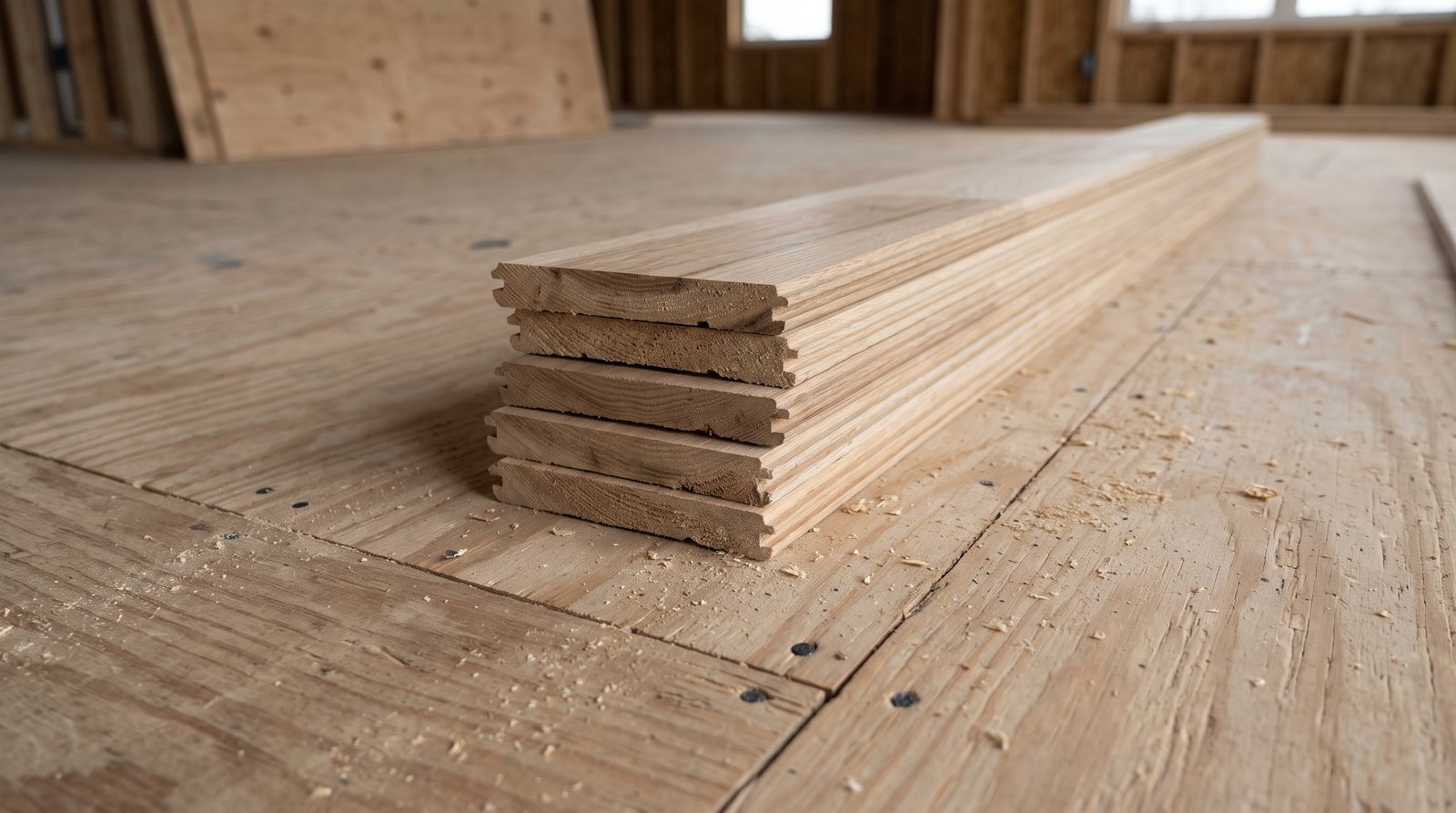
A shell purchase works best when every unfinished item has an assigned person, budget, and place in the schedule. Interior surfaces are only part of that work. The project may also need professionally completed systems, fixtures, appliances, access steps, inspections, and documentation before it can serve as your intended home.
Walk through the proposed layout room by room. Picture opening the front door, preparing a meal, taking a shower, sleeping, and doing laundry. For each activity, list the missing equipment and the work needed to make it usable. Keep decorative purchases separate from essentials so an attractive finish does not hide an incomplete room.
- Exterior and structure: Identify completed work, outstanding openings, stairs, guards, and any remaining protection.
- Comfort and services: Confirm who supplies, installs, tests, and documents the specified insulation, ventilation, heating, cooling, plumbing, and electrical work.
- Interior completion: List walls, ceilings, flooring, trim, doors, cabinets, counters, fixtures, and appliances individually.
- Final handover: Assign cleanup, corrections, manuals, inspection records, and any required approval for occupancy.
Have qualified local trades review the unfinished scope before purchase. Do not assume a contractor will accept someone else’s partly completed installation or charge only for the visible finishing. Get that acceptance in writing, including what they must inspect before they can quote accurately.
Compare total completion costs, not starting prices
The meaningful comparison is the amount needed to get each option to the same finished condition on the same site. A lower shell price can leave substantial spending ahead. Build a separate completion budget for each offer, using actual quotes and clearly identified unknowns instead of a guessed national finishing allowance.
Use this calculation: purchase price, plus omitted materials and labor, plus delivery and placement, plus property work and connections, plus fees and temporary living costs. Add a project-specific reserve for unresolved items. Do not count a verbal estimate as a fixed price or treat an unknown line as zero.
Ask suppliers whether quoted quantities include trim pieces, accessories, delivery, and returns. Small purchases accumulate when each room needs its own hardware, sealants, fasteners, and finishing supplies. For hired work, ask which materials the contractor supplies and which you must have on site before their appointment.
Value your own labor separately from cash spending. You may enjoy finishing a home, but available evenings do not necessarily translate into steady production. Record realistic hours, tool purchases, storage needs, and time away from paid work. This gives you a clearer picture of the tradeoff without pretending every hour has one universal dollar value.
If you need financing, ask a lender about the exact unfinished project before committing. Our guide to tiny house financing options can help organize that conversation. Obtain a written explanation of what the proposed financing would cover and when funds would become available.
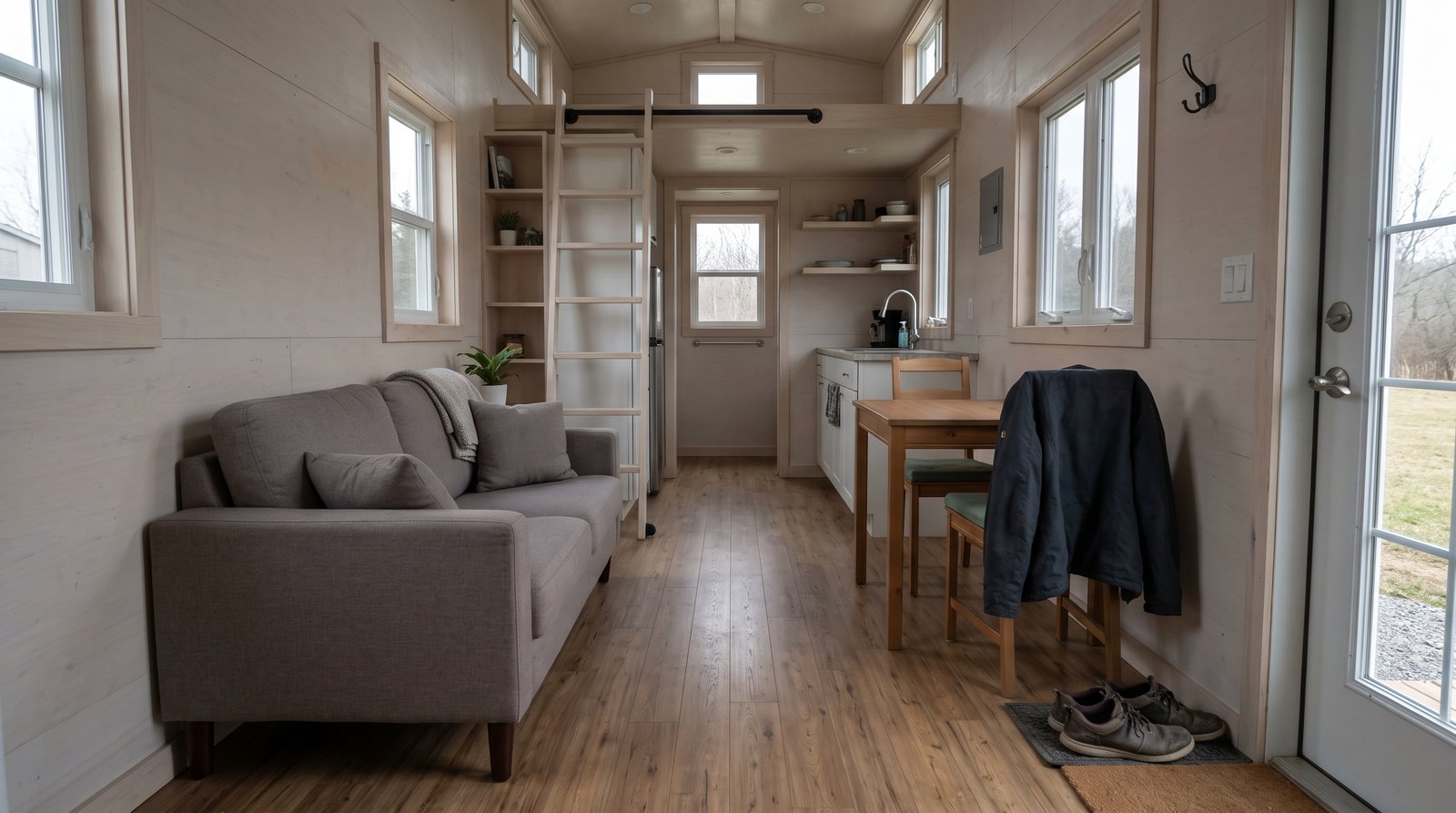
Check what turnkey leaves outside the house
A finished interior does not complete the property around it. A turnkey quote may exclude delivery, access improvements, a foundation or support system, utility runs, and other site work. Ask the seller to draw the boundary between the house package and your responsibilities at the actual destination before you compare offers.
For example, Tiny Terra Homes lists site work and utility connections as exclusions unless specified in its turnkey ADU package. Its built-on-site products are different from a transported tiny house, but the exclusion illustrates why the word turnkey cannot replace a site-specific scope.
Arrange a destination review with the people responsible for delivery and installation. Give them the actual access route, proposed placement, and known constraints. Ask what happens if the delivery vehicle cannot reach the intended spot, the ground is unsuitable on delivery day, or the site contractor is behind schedule.
Separate transport from placement in the written quote. Confirm whether the service ends at arrival or includes positioning and the agreed setup. Our tiny house moving guide provides additional questions to bring to a transporter. Obtain your own route-specific quote before relying on any planning figure.
Choose owner labor you can realistically complete
A shell can be a reasonable fit when you want hands-on work, have suitable space, and can manage the unfinished scope. A partial package can reduce that burden. Turnkey suits buyers who want fewer construction responsibilities, especially when their available time or backup housing is limited and the move-in schedule matters.
Make two task lists: work you can confidently complete and work you will hire out. Discuss any regulated work with the relevant local authority and properly qualified contractors. Enthusiasm for painting or cabinetry does not establish that you can design or install a building system safely or lawfully.
Check whether the builder actually offers the intermediate package you imagine. Backcountry, for instance, says adding rough utilities requires completion as an unfurnished or turnkey home. A seller may have practical quality-control reasons for refusing a particular handoff point. Ask early rather than planning around an option that does not exist.
Consider the workspace too. Where will you store materials, cut boards, collect waste, and keep tools secure? How will deliveries reach the house? A compact interior fills quickly with unfinished materials, making the order of work important even when the tasks themselves look manageable.
Plan inspections and housing before setting a move-in date
Your schedule should run through the work and approvals required at the destination, not stop at factory completion or delivery. Confirm the inspection sequence before covering unfinished work. Keep separate dates for arrival, construction completion, and permitted occupancy, and arrange backup housing that can accommodate delays without forcing an unsafe move.
Approval requirements depend on the structure, where it is built, and where it will be used. As one example, Washington Labor & Industries distinguishes offsite construction oversight from local placement requirements and describes inspections during construction. That is a state-specific example, not a nationwide process. Confirm the applicable route with your city or county and any relevant state program.
Ask who schedules each inspection and keeps the records. For a shell, establish how the builder’s completed work and your later work fit into the approval process. For turnkey, ask which approvals are included and which remain your responsibility after delivery. Obtain the answer before choosing the package.
Build the calendar around dependencies: approved scope, material availability, contractor dates, inspection access, corrections, and final handover. Include time for your own purchasing decisions. Changing an appliance after cabinets are ordered can affect several later tasks even if the replacement itself is readily available.
Do not budget on living in an unfinished shell while completing it. First establish whether occupancy is allowed and whether the space is actually safe and suitable. Include rent, storage, travel to the worksite, and a realistic extension of those costs in the comparison.
Put handoffs and warranty responsibilities in writing
The more people who finish the home, the more clearly you need to define responsibility at each handoff. Ask who handles defects in completed work, damage during later installation, delivery problems, and equipment failures. Review the actual warranty documents before buying, including exclusions, claim procedures, and when each coverage period begins.
The Federal Trade Commission recommends multiple written contractor estimates describing the work, materials, price, and completion date. It also advises checking licensing and insurance and getting promises into the agreement. Apply those basic checks to the people completing your shell, as well as the company selling it.
For your project file, keep dated photographs at delivery and before work is concealed, along with specifications, approved changes, invoices, and inspection records. Ask each contractor what records they will supply. Documentation makes it easier to explain a problem without relying on memory or a scattered text-message thread.
Set a handover inspection with a written list of remaining corrections. Test agreed functions with the responsible contractor and collect maintenance instructions. Our guide to how long tiny houses last provides a broader maintenance perspective. Your particular house still needs the care described by its builder and product manufacturers.
Quick answer by situation
Choose the package that matches your time, resources, and tolerance for unfinished work after you have compared complete scopes. The best starting price is not automatically the best project. If you cannot identify who will finish an excluded item, treat that uncertainty as a reason to pause the purchase.
- You have skills, workspace, and flexible housing: Consider a shell after pricing the entire remaining scope.
- You enjoy finishes but want essential work professionally completed: Ask about a defined partial or unfurnished package.
- You need a predictable move: Favor a completed package with verified site work and a realistic handover schedule.
- You have land but no confirmed service plan: Resolve the destination work before choosing either package.
- Your budget covers only the shell: Wait until the completion budget and funding plan are credible.
Frequently asked questions
The most useful answers depend on the exact package and destination. Use these questions to test a seller’s proposal, then request written details for your house. A clear answer should identify what is included, who completes the remaining work, and what must happen before you can occupy the finished space.
Is buying a tiny house shell always cheaper?
No. A shell usually leaves more work to purchase or perform, so its initial price cannot establish the final savings. Compare equivalent finished homes using quotes for omitted materials, hired labor, site work, delivery, and temporary housing. Include tools and a reserve for the specific unresolved parts of your project.
Can I live in a tiny house shell while finishing it?
Do not assume you can. An unfinished shell may lack essential services, safe access, and required occupancy approval. Ask the local building department about your specific structure and project stage before planning a move. Arrange separate housing until the home is safe, usable, and approved for its intended occupancy.
Does turnkey include furniture and appliances?
Only the written package can answer that. Some builders include furnishings, while others provide a finished interior with selected appliances and no loose furniture. Request an itemized list naming the included equipment and furnishings. Check whether photographs show optional items, and confirm who supplies and installs anything omitted from the price.
Is a partially finished tiny house a good compromise?
It can be if the builder offers a clearly defined stopping point and qualified contractors accept the remaining work. Identify exactly what has been installed, inspected, and documented before handover. Then price the unfinished tasks and establish responsibility for defects or changes where one company’s work meets another company’s work.
What should I ask before paying for either option?
Ask for the exact specification, exclusions, delivery and site responsibilities, completion schedule, inspection plan, and warranty terms. Have the remaining work quoted before committing. Most importantly, confirm that the proposed house and completion route are acceptable at your intended location and that your budget reaches the point of approved occupancy.