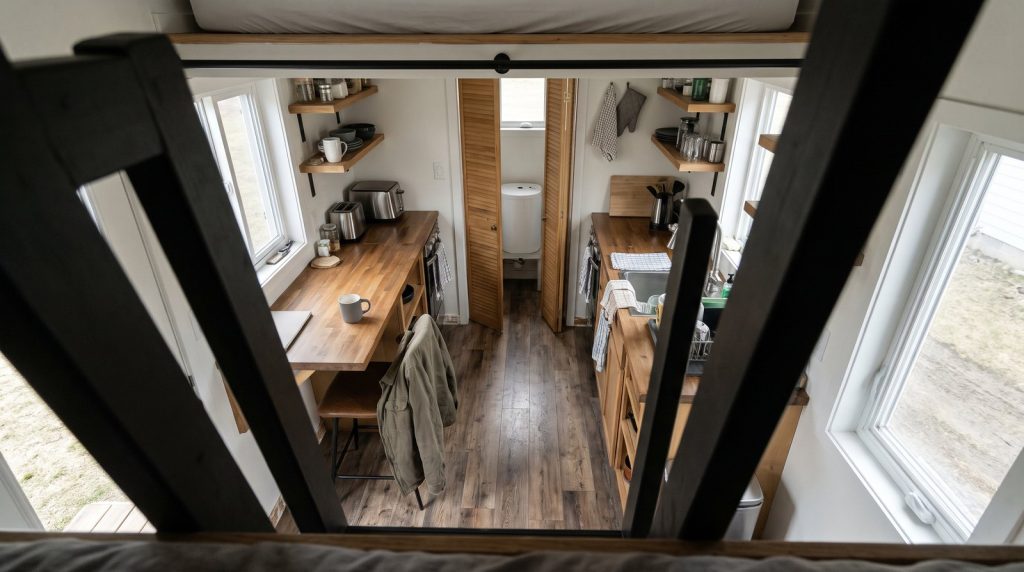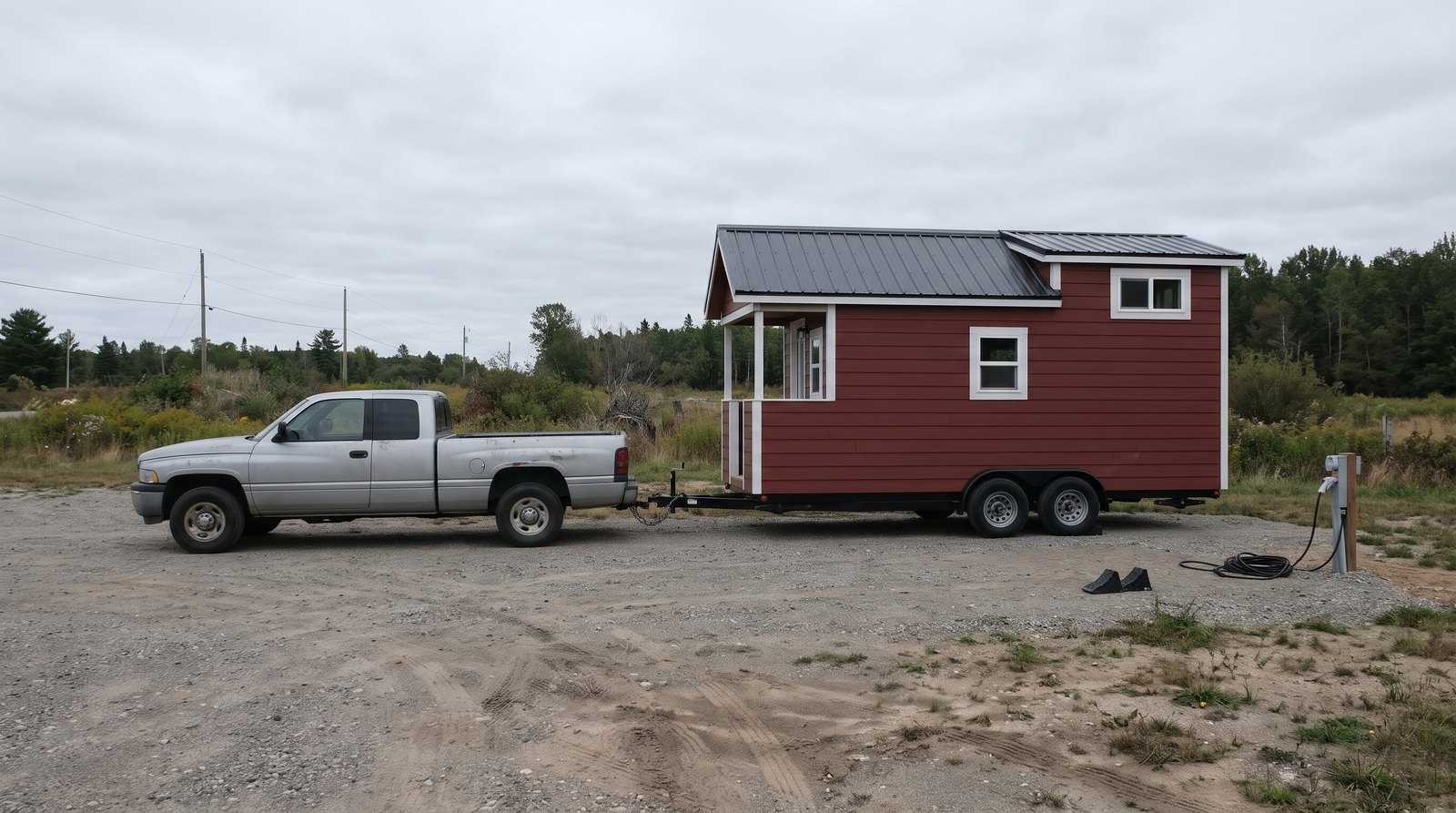
To sell a tiny house, establish what you legally own, price it against comparable homes, document its condition, and find a buyer with a workable parking and payment plan. Put inspection, transport, included items, and handover terms in writing before releasing the house or signing away ownership.
Table of Contents
Start with the house, land, and ownership status
The selling process depends on whether you are transferring a movable house, real estate, or a house occupying someone else’s land. Establish that distinction before advertising. A trailer title, a construction certificate, and permission to live on a particular lot answer different questions and should never be presented as interchangeable.
A tiny house on wheels sold without land needs a clear description of its title or ownership documents and whether it must leave its current site. A permanent home sold with its parcel usually needs a real estate closing process appropriate to that property and jurisdiction. Ask a local closing professional which route applies.
For a rented pad, obtain the landowner’s written answer about whether a buyer can apply to stay. Do not advertise a transferable lease without that confirmation. State the rent, application process, and any removal deadline separately from the house price.
Quick answer by situation:
- House only, on wheels: Gather ownership records and establish how it will be collected.
- House and land: Verify the property classification and use a suitable closing professional.
- House on a rented lot: Resolve landlord approval before promising the location.
- Unfinished or undocumented build: Describe its actual status and missing records plainly.
Prepare the paperwork before taking a deposit
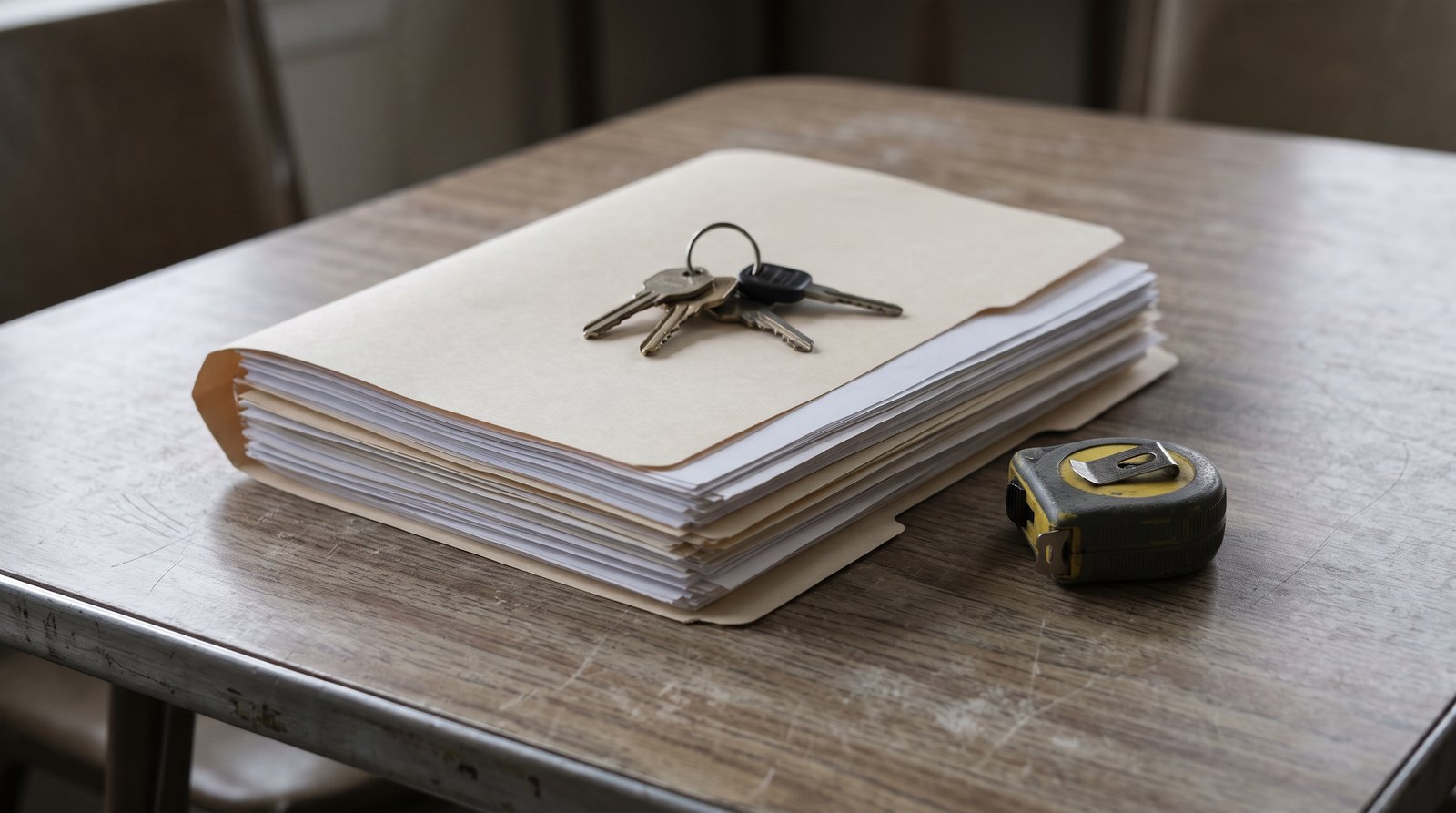
Collect the documents that prove ownership, explain how the house was built, and show what has changed since construction. Resolve missing titles, outstanding loans, and conflicting identification numbers early. A buyer should be able to review a consistent record of the house without relying on assurances that paperwork will appear later.
Create a folder containing the purchase invoice, title or other applicable ownership record, trailer identification details, builder specifications, available inspection reports, certification documents, manuals, and repair receipts. Keep sensitive personal information out of public listing photographs. Share appropriate copies with serious buyers through a controlled process.
Classification varies. Oregon DMV, for example, says manufacturer-built tiny home trailers may be travel trailers or park model recreational vehicles when built to the appropriate standards. That is an example, not a nationwide classification rule. Ask the relevant state agency what documents your particular unit requires.
If a lender holds an interest, request its payoff and release procedure before accepting an offer. For Oregon-titled vehicles, the DMV’s selling guidance also requires notice of sale within 10 days. Check your own state’s forms and deadlines rather than copying another state’s process.
Set a price buyers can justify
Price the house against realistic alternatives available to the same buyer, rather than adding up everything you spent building it. Compare similar size, age, condition, documentation, and transport requirements. Separate land value from house value, and treat advertised asking prices as evidence of competition, not proof of completed sales.
Build a short comparison sheet. Record each comparable home’s location, asking price, date listed, builder, sleeping arrangement, included equipment, and whether delivery or land is included. When a seller or broker can substantiate a completed sale, keep that evidence separate from active advertisements.
Budget for depreciation and worn components without inventing a universal annual percentage. A distinctive custom finish may have cost you a great deal while adding little value for someone who needs a downstairs bed. Conversely, documented repairs can make a buyer more comfortable even when they do not return their full cost.
Calculate your expected net proceeds: agreed price minus loan payoff, selling fees, promised repairs, and any transport costs you accept. Set a review date for the listing. If inquiries repeatedly stop at the same issue, improve the evidence or adjust the offer. Do not assume more expensive advertising will solve an unrealistic price.
Show condition with photographs and inspections
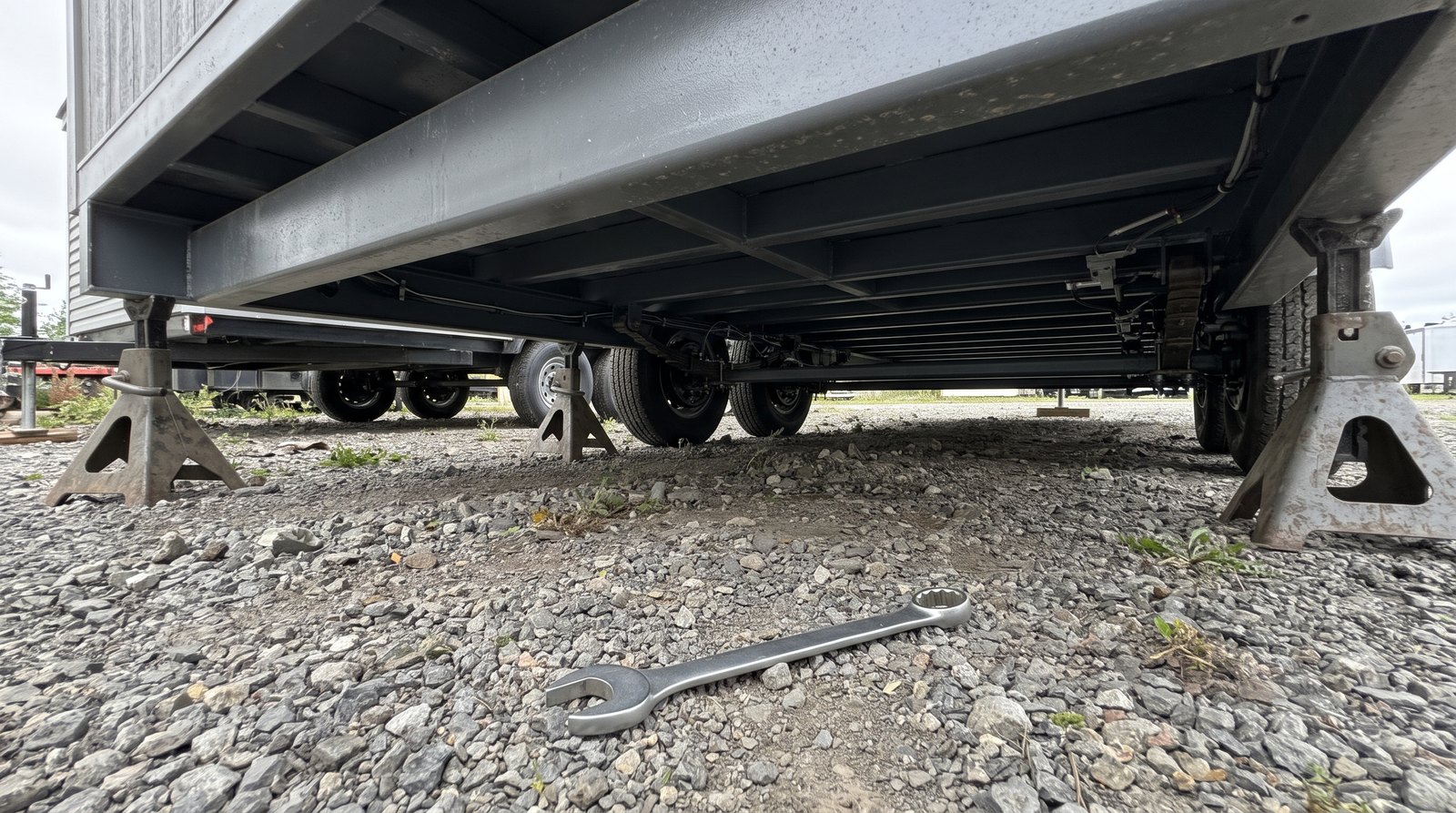
Make the condition easy to evaluate with current photographs, a measured layout, maintenance records, and reasonable access for an independent inspection. Clean the house and fix straightforward defects, but disclose known problems. Attractive listing photographs should help a buyer understand the actual home, including its limitations and repair history.
Photograph all four exterior sides, the roof from a safe position, the entry, main room, kitchen, bathroom, sleeping areas, storage, and accessible trailer components. Include close views of damage as well as repairs. Use your own current photographs of the house being sold. Avoid stretched wide-angle views that make narrow passages look generous.
Measure the usable areas and distinguish loft space from the main floor. State how dimensions were obtained. Include travel dimensions and a recent weight record if you have one, identifying what was inside when it was weighed.
Give the inspector available access and records for moisture history, structural alterations, appliance service, and trailer maintenance. Ask what their inspection does and does not cover. A residential inspection may not assess running gear. Our guide to tiny house lifespan and maintenance can help organize the records buyers will want to see.
Build a listing that filters for suitable buyers
A useful listing answers the questions that determine whether a buyer can actually complete the purchase. State the price, general location, ownership status, dimensions, sleeping arrangement, condition, and collection requirements near the top. Choose advertising channels that reach buyers for that type of house, then keep the information consistent everywhere.
Consider specialist tiny-house marketplaces, relevant local classifieds, and an appropriate broker or dealer. For a permanent home with land, speak with a real estate agent familiar with small homes. Check each service’s current eligibility rules, charges, and sales process before paying for a listing or signing a consignment agreement.
Describe what is included: appliances, furniture, stairs, skirting, deck sections, solar equipment, or a towing vehicle. Identify removable items clearly. Say whether utilities can be demonstrated during a visit and whether the home is occupied.
Use the same specifications and current price across advertisements. Keep a simple inquiry log with viewing dates, unanswered questions, and offer status. Share the exact address for an arranged visit rather than publishing unnecessary personal details. Remove or update every advertisement promptly once the transaction is complete.
Check parking and financing before reserving the house
A promising buyer still needs somewhere to put the home and a reliable way to pay for it. Discuss both before granting a long reservation. Let the buyer verify local placement rules and lender requirements independently, while you supply accurate dimensions, identification, construction records, and the proposed purchase terms.
Do not describe a certification seal as permission to live anywhere. The RV Industry Association distinguishes recreational vehicles from permanent residences and explains that RV standards are not permanent residential building standards. The buyer should confirm the intended use with the destination city or county and the landowner.
Ask whether the buyer intends to use cash, a loan, or proceeds from another sale. Financing approval for a person does not necessarily mean approval for this particular house. Our tiny house financing guide explains the main borrowing routes.
As one current example, LightStream advertises unsecured tiny-house financing, subject to credit approval and its terms. That does not guarantee a buyer will qualify. Put any financing deadline and deposit refund conditions in the written agreement instead of leaving the house reserved indefinitely.
Agree on inspection, payment, and handover terms
Put the complete deal in writing before money changes hands, including the price, deposit rules, inspection deadline, included items, and collection date. Use documents appropriate to the property’s classification and state. Have a qualified local professional review unusual arrangements, especially a sale involving land, an outstanding lien, or seller financing.
Record who handles title transfer, required notices, fees, and any agreed repairs. Identify what happens if inspection reveals a problem, financing fails, or the buyer cannot arrange collection. Specify when ownership and responsibility for the house pass to the buyer, and coordinate that timing with payment and insurance.
Arrange the payment process directly with your bank or an independently verified closing or escrow service. Do not treat a screenshot, email receipt, or available check balance as conclusive proof of payment. Independently confirm payment instructions and the conditions for releasing the house.
The FTC’s 2025 warning to vehicle sellers describes buyers who send an excessive check and request money back. A fake check can appear in an account before it is discovered. Reject overpayments and requests to forward money to a supposed mover. Do not let urgency replace verification.
Make collection a separate, documented job
Plan the physical handover before the closing date, including access, disconnection, transport, and what remains on the site. A house that has been parked for years may need preparation before moving. Have the transporter evaluate the actual unit and route, and put responsibility for those preparations into the agreement.
Give the hauler accurate dimensions, available weight records, trailer ratings, photographs, pickup conditions, and the destination. Explain gates, soft ground, slopes, tight turns, overhead obstructions, and attached decks. The hauler should determine equipment and permit needs instead of relying on a seller’s guess that any pickup can tow it.
Decide who removes skirting and porch sections, disconnects services, secures loose contents, and arranges qualified help where needed. Our guide to moving a tiny house is a starting point for questions; obtain a written quote for this specific move.
At handover, record the condition with dated photographs, list the keys and manuals delivered, and retain signed copies of the sale documents. Complete the required agency notices. Confirm the timing of insurance changes with the insurer, and close out any lot or utility obligations that remain in your name.
Frequently asked questions
The hardest selling questions usually concern price, missing paperwork, buyer qualifications, and responsibility after collection. The answers depend on the actual house and its classification. Use these points to prepare your file, then confirm transaction requirements with the relevant state agency, lender, landowner, and closing professional before committing.
Do tiny houses lose value when you sell them?
They can, particularly when the sale is for a movable house without land. Condition, documentation, layout, transport costs, and buyer demand all influence the offer. There is no single depreciation percentage that fits every tiny house. Compare similar homes and avoid assuming your original construction spending establishes today’s market value.
Can you sell a tiny house without a title?
That depends on its classification and the documents your state requires. Some transactions involve real estate records; others require a vehicle title or another ownership document. Resolve missing paperwork with the responsible agency before accepting money. A bill of sale should not be assumed to replace a required title.
Should you repair everything before listing?
No. Prioritize issues that prevent inspection, safe access, or a practical sale, then compare repair costs with likely buyer concerns. Disclose known defects and keep repair receipts. A costly cosmetic renovation may not repay its cost. An independent inspection can help distinguish worthwhile repairs from changes driven mainly by taste.
Who pays to move a tiny house after a sale?
The written agreement should specify who pays and who arranges each part of the move. Include disconnection, site access, permits, towing or hauling, and any equipment preparation. Obtain a quote before agreeing to delivery. Also establish when responsibility transfers and have the parties confirm appropriate insurance for the handover.
How long does it take to sell a tiny house?
There is no dependable timeline for every house or market. Price, location, condition, paperwork, buyer financing, and a suitable destination can all affect progress. Track serious inquiries and the reasons offers stall. Set a review date for your listing and address repeated objections before assuming the only solution is waiting.